Low tech duck. Bit of lettuce and tomatoes with vinegar with enough acidity to pair all that fat. Sweet potatoes fried in olive oil to make a perfect triangle: duck, sweet potatoes, greens 
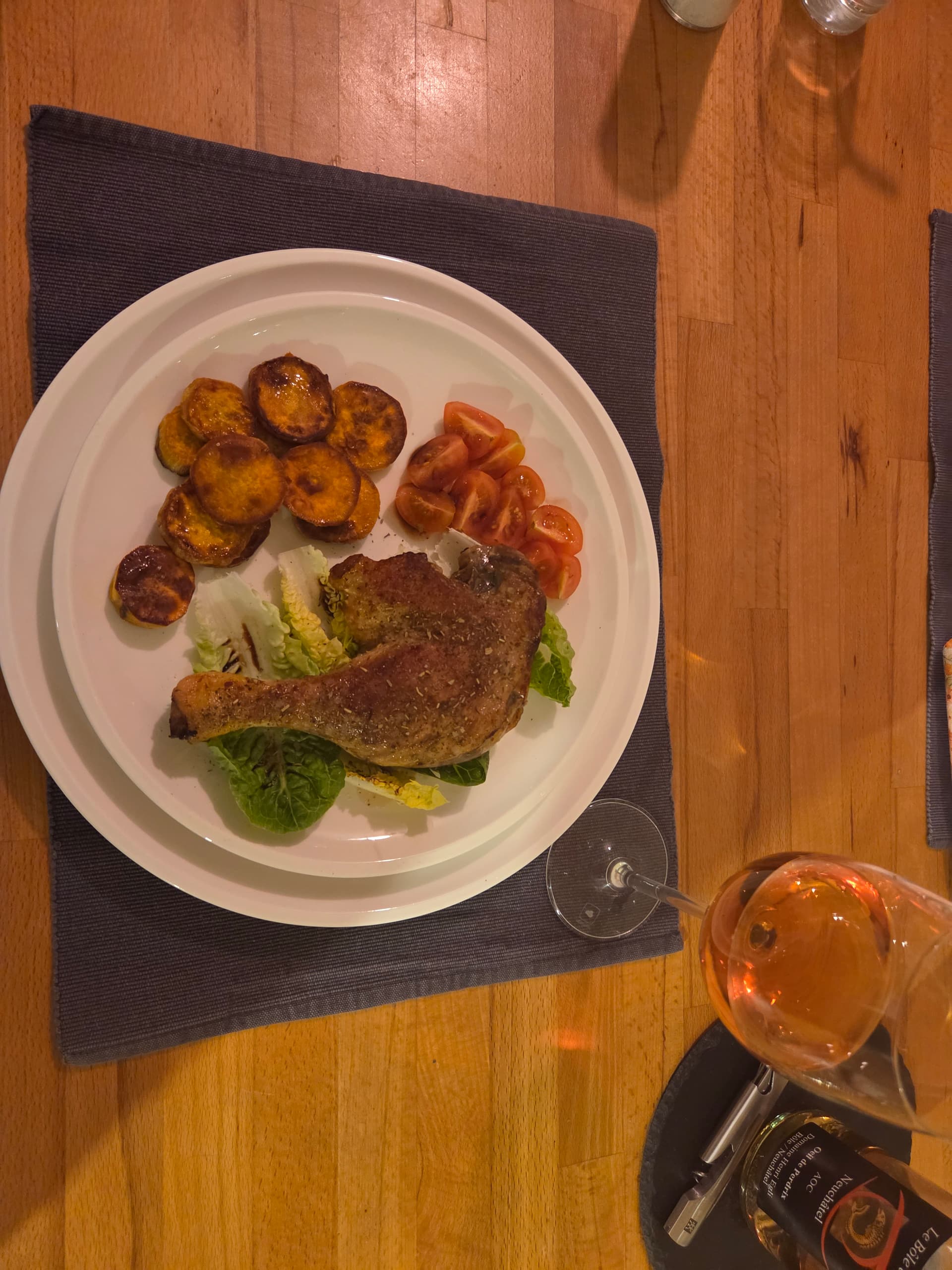
@axa, did you start the duck in a cool pan? That’s how I learned it from Hank Shaw for duck breast, and it works a treat to render the fat slowly before the sear sets in…
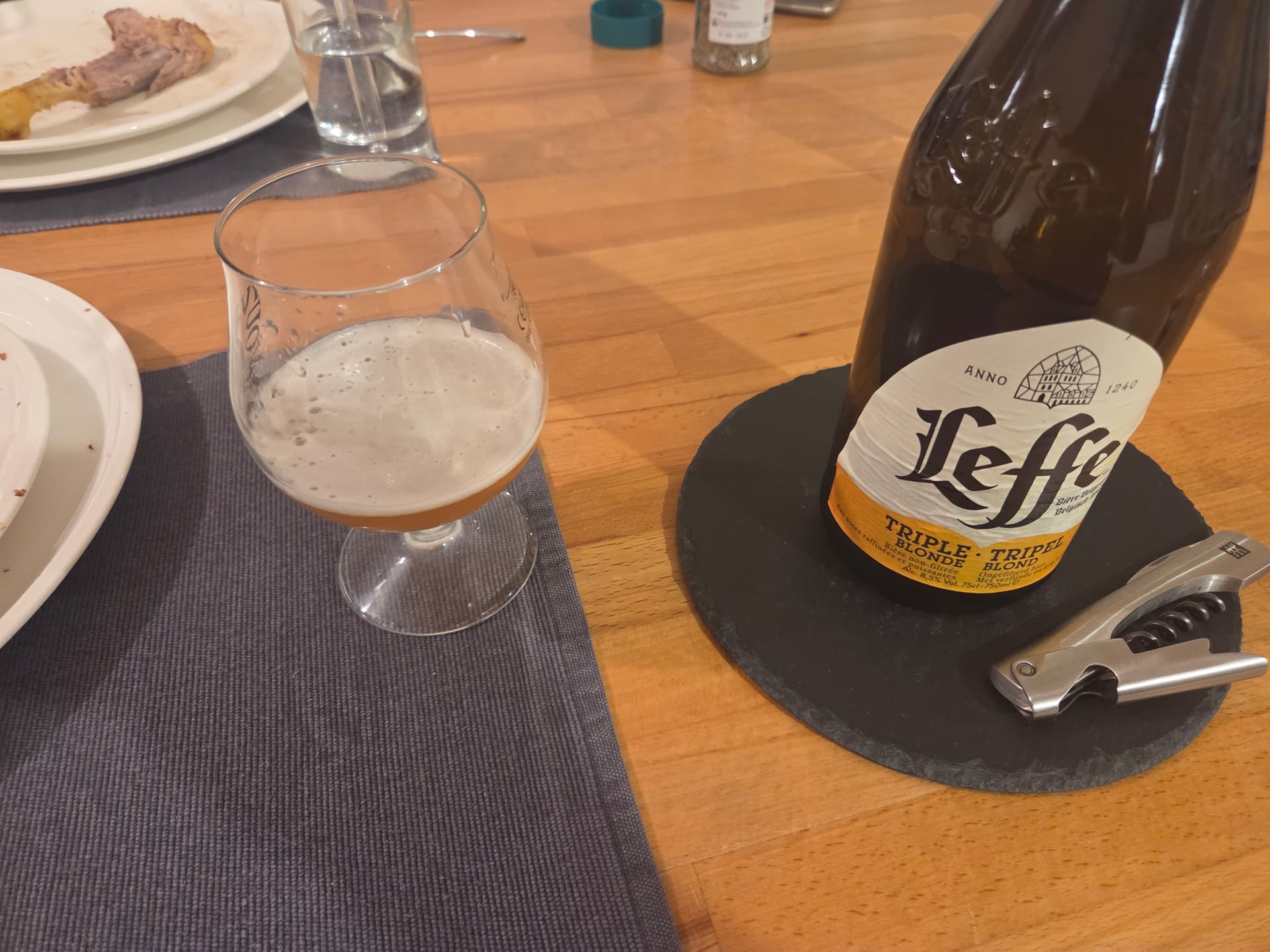
And Belgian beer to boot.
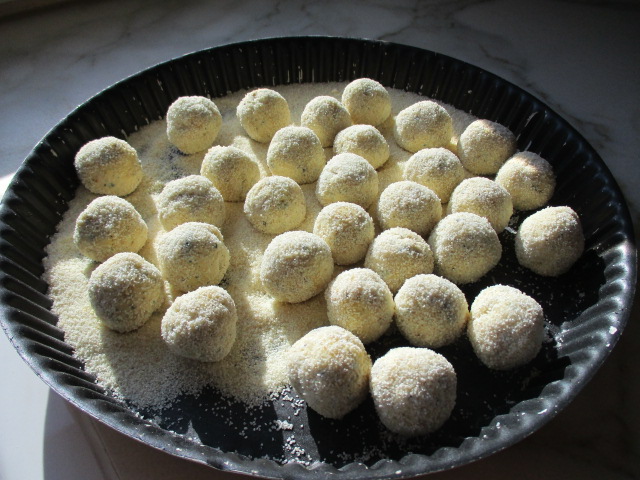
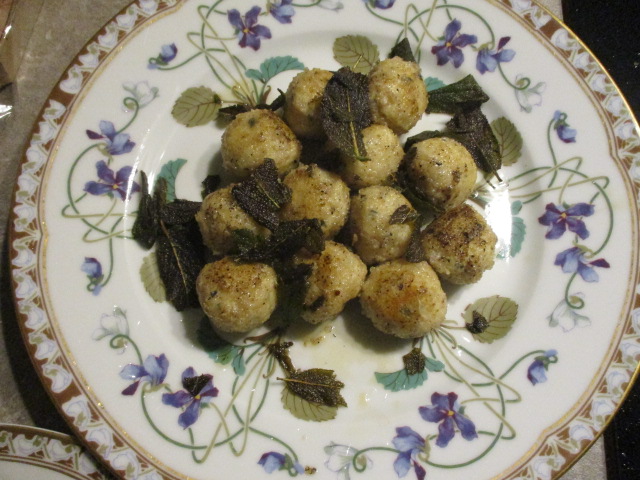
I couldn’t call this a failure; it was merely “meh…”. I was looking for recipes to use up the creamy mild Saint Agur blue cheese that was lolling around the fridge when I happened upon this one on Great British Chefs website. Unlike the gnudi I usually make by the hundreds, the “original” that this is based on has an interesting method.** A sticky handle-with-care mixture of only ricotta and parmesan cheeses is formed into balls and rolled in semolina, then left to dry in the fridge for days. Eventually a pasta-like shell forms around the spheres as the semolina sucks up moisture from the cheese. But this GBC version uses stabilisers (bread crumbs, egg, and semolina) added to that internal mixture, and it also includes Saint Agur. It’s left in the fridge in its semolina nest overnight. The test sample I cooked in the morning was lovely—pillowy and creamy. A few hours later when I cooked the others for dinner, the taste was fine, with a nice delicate blue-cheese hint, but the texture left much to be desired. Too stodgy and dry. Next time I’m going with Kenji’s simple method, despite the comment warnings of exploding spheres and other kitchen disasters.
**If the word “original” even applies in the recipe world, where every new recipe is simply a re-tread of an old one. The original was popularised by River Café alumna April Bloomfield (a real great British chef) and then re-treaded by Kenji on Serious Eats.
4 Likes
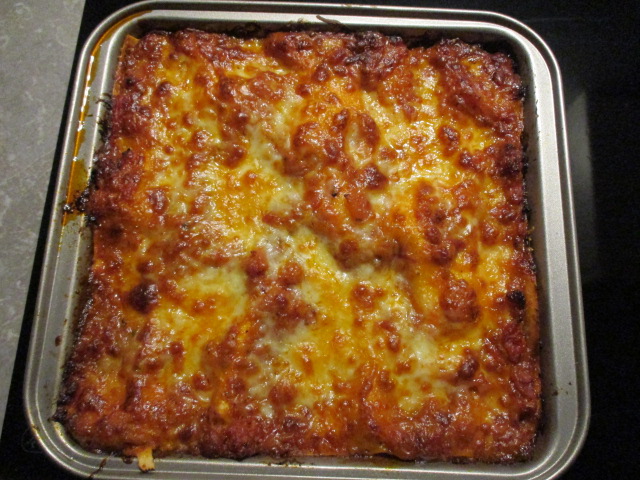
Just an impromptu 4-serving lasagne to use up some salsiccia and mozzarella, along with homemade tomato sauce. A middle layer of ricotta, parmesan, and egg solidifies the whole shebang. Green salad. Yum.
6 Likes
Since yesterday, I am the proud owner of a fridge/freezer combi previously owned by the neighbors who are moving out.
(I am also now the very proud owner of a washing machine, no more trips to Augsburgto wash the rags)
So as a thanks I invited all five over for tea.
The two neigbours and their little helpers.
Bought all the stuff needed, prepped fir pommes pave, aka the “15 hour potato”
Well it went as I should have expected…
The two guy helpers had to leave for various reason and the girl helper was straight out of the loony bin.
In the end I had two whole guests and one not fully there.
Serously she sat all evening in a sulk looking like her dog had died.
…food was good though!
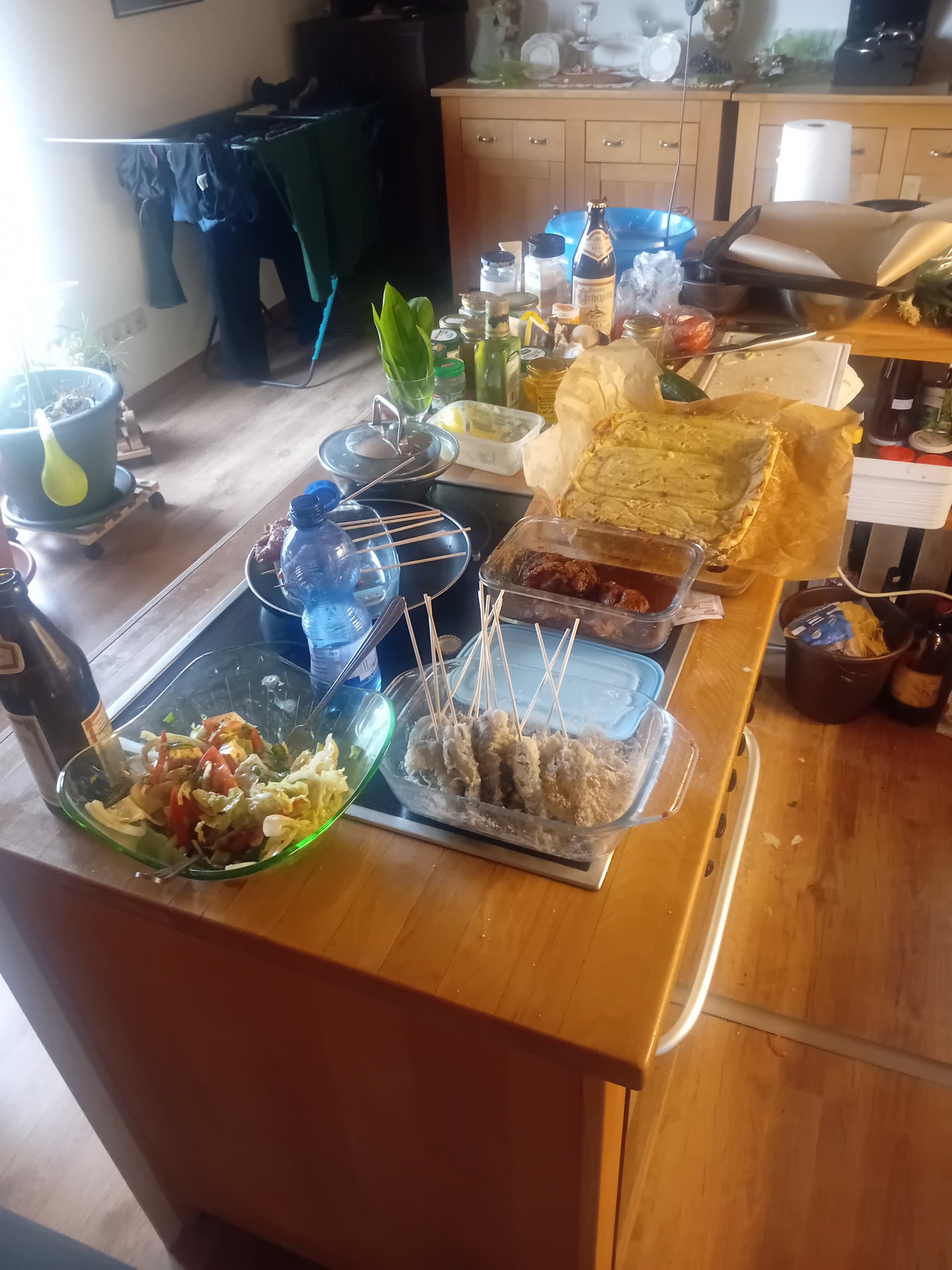
Prepping away
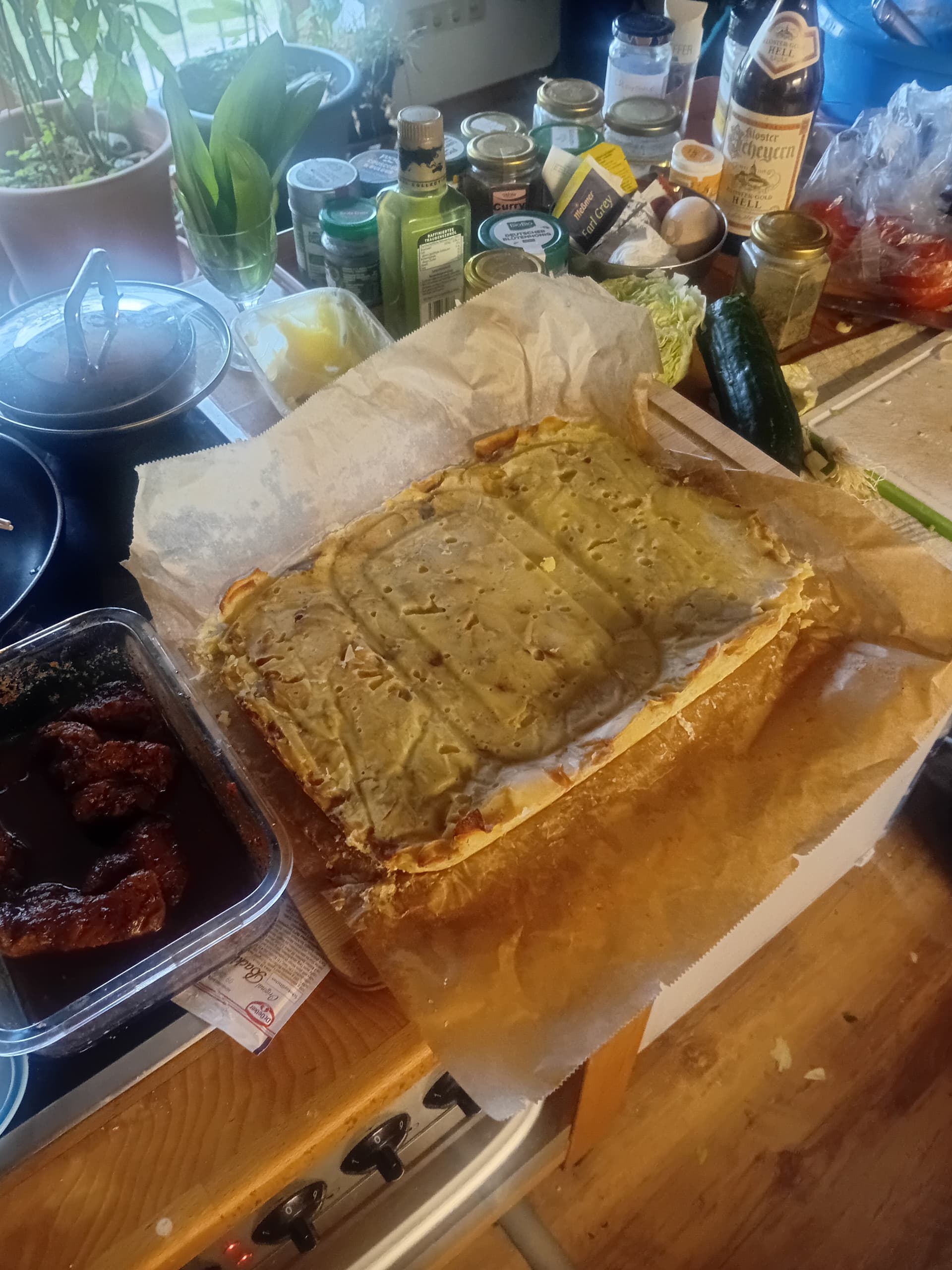
Getting the spuds ready.
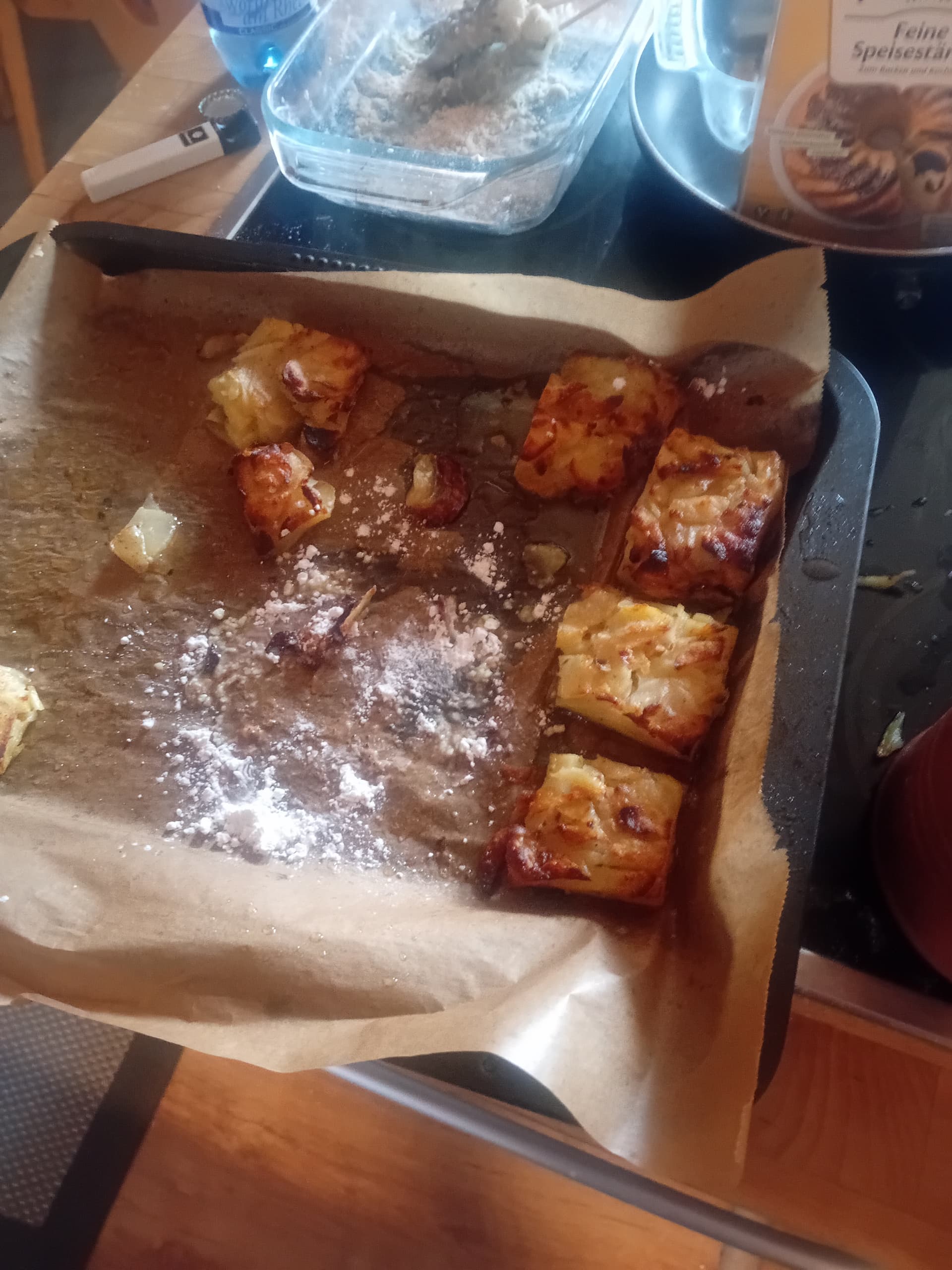
Sooo. Crunchy, crispy, creamy.
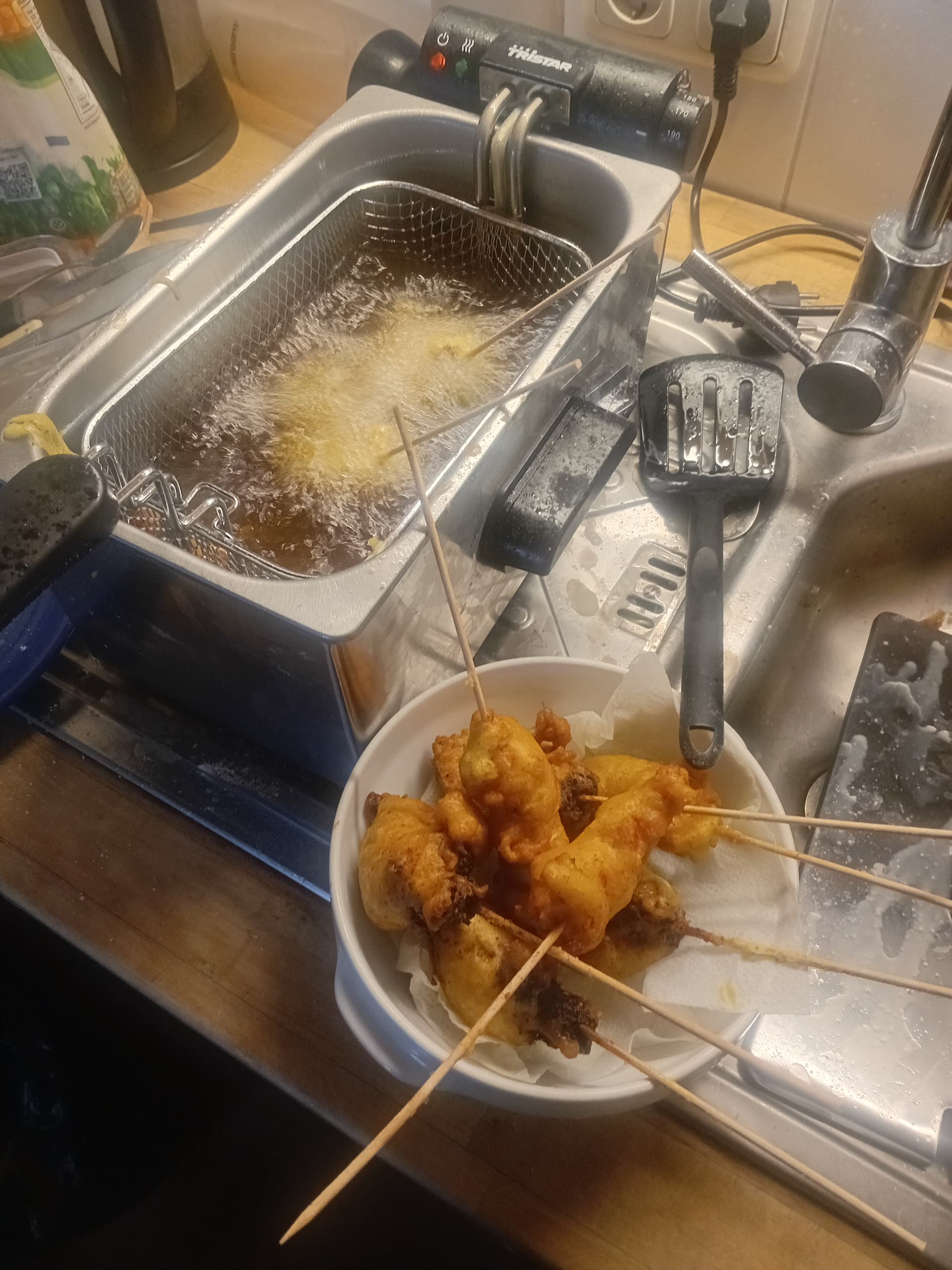
Prawns in Slammers special batter.
And a salad, sorry no picture.
8 Likes
White Levain Tomato Bread:
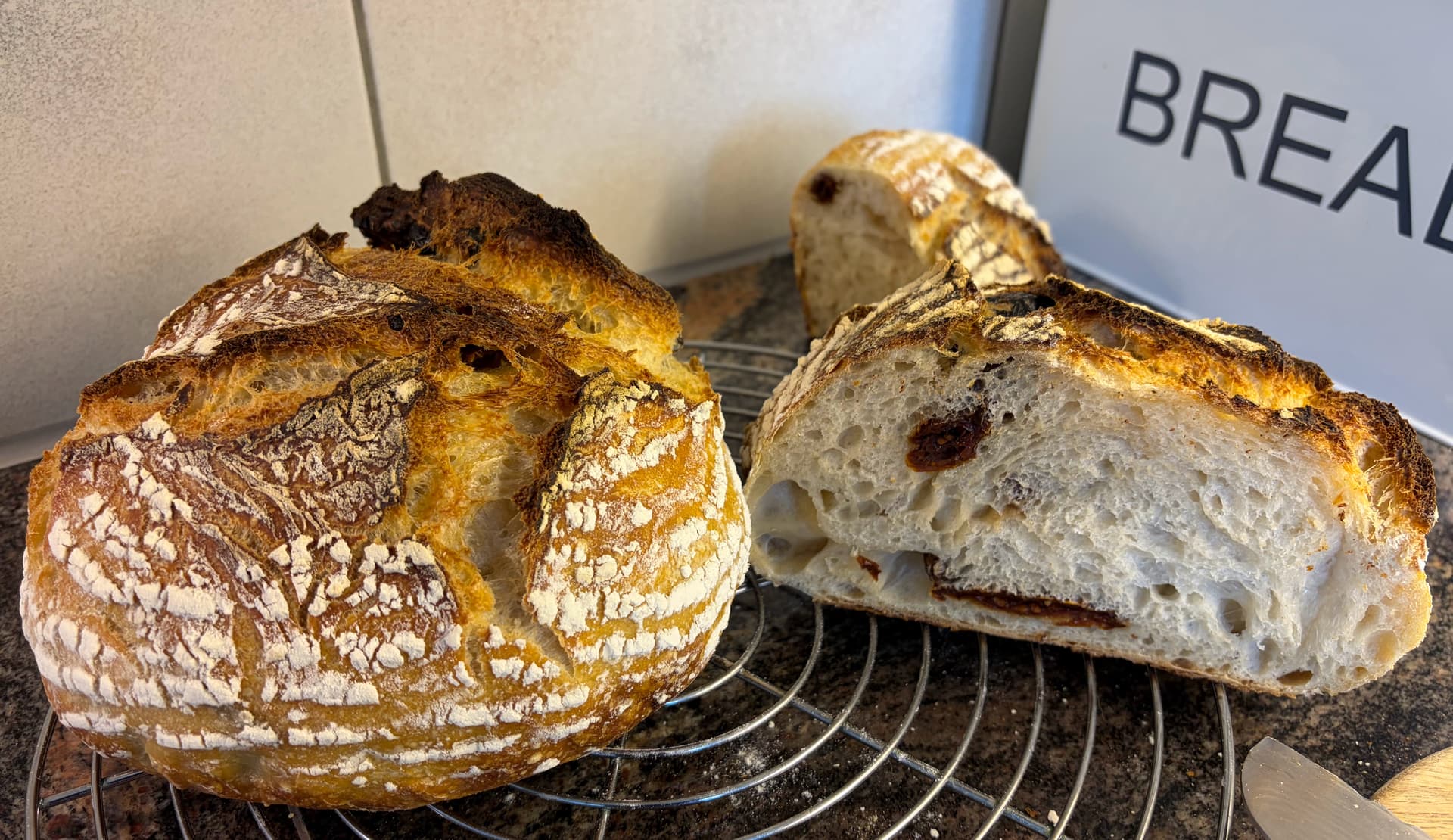
For two loafs
400g white wheat flour levain (50% flour, 50% water)
540g H2O
800g white wheat flour
21g sea salt (not iodized)
150g dried salted tomatos
Schedule
-
Day 1: Wake up levain
- in the morning take the levain out of the fridge and feed it: one part levain, two parts water, two parts white wheat flour; ideally leave it in a room with about 21-22º C
- in the evening: feed levain again; make sure you have at least 80g levain at the end
Cover the levain (and later also the dough) while it rests.
You can of course skip day 1 if you have active levain outside your fridge that’s been fed. according to this schedule -
Day 2: Get the dough into the baskets
- in the morning: feed the levain; make sure you have at least 400g levain at the end
- about 7-8 hours later: autolyse
- mix the water at 32-35º C with 400g levain; stir with your finger until the levain ist mostly dissolved
- add 800g of white wheat flour; mix with your hands or a dough scrapper until the flour is fully absorbed
- sprinkle the 21g sea salt on top of the dough; don’t mix it in
- about 20-30 minutes later:
- mix the salt with the dough using the fold and pincer method
- optionally: add the dried salted tomatos and also fold them into the dough with the same method; next time I bake this bread I will first cut the dried tomato slices into smaller pieces so they’re more evenly spread in the bread
- in the next hour or two:
- add three folds to the dough; I ususally do the first one after 10 minutes or so, and the next one 20 minutes after the first one, and the last one another 20 minutes later
- you can also do the folds later, but make sure to leave the dough rest for at least the last hour before shaping it
- about 3-4 hours after mixing: shaping the loaves
- get the dough out of its container (I use a dough scrapper)
- divide it into two about equal pieces
- shape them into loaves and put them seal side down into proofing baskets
- cover the proofing baskets (I use plastic bags and wrap the opening of the bags underneath the basket)
- put the covered loaves into the fridge
-
Day 3: Bake!
- 45 minutes before baking put a Dutch oven into your oven and pre-heat to 245º C
- about 12-16 hours after shaping: bake
- put a baking sheet onto the kitchen counter
- take loaf #1 out of the fridge and empty it onto the baking sheet (tap the proofing basket such that the seal side is now at the top)
- take the Dutch oven out of the oven, lift loaf #1 with the baking sheet into the Dutch oven, put the lid on
- bake for 30 minutes with the lid on and about 20-30 minutes with the lid off depending on how dark you want your crust
- after you’re done baking, put the loaf onto baking tray, let it cool for at least 20 minutes before slicing
- do the same with loaf #2; maybe give the Dutch oven (with the lid) a re-heating boost by waiting 5 minutes before baking #2
5 Likes
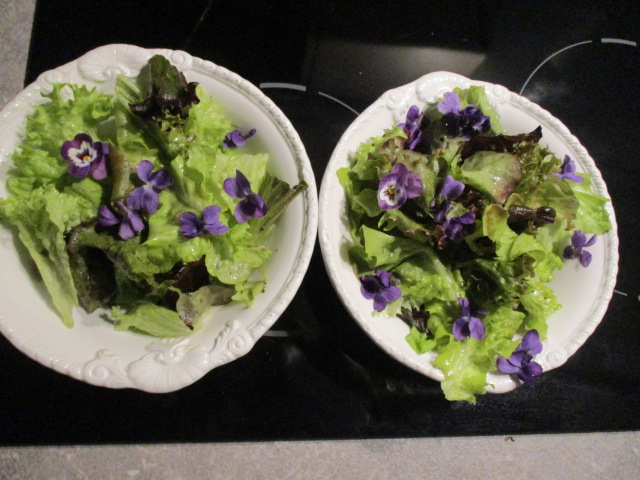
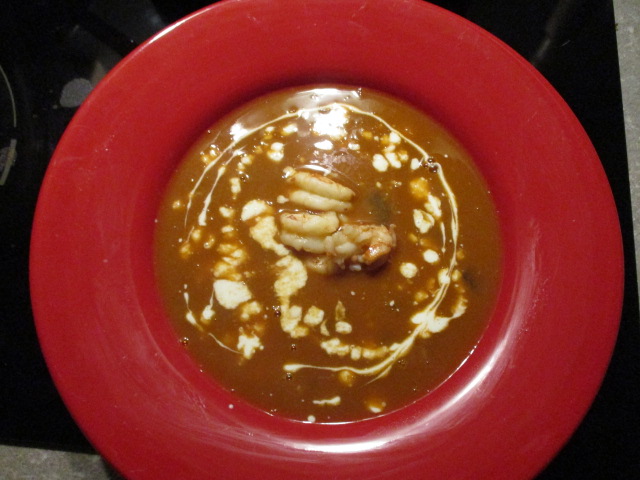
Three days of snow this week, but the parma violets are rioting, so I put some in our green salad for happy colour. A nod to still-winter came in the form of a rich smooth seafood soup with prawns. I didn’t have any pouring cream, so I topped it with thinned Turkish kaymak, which is made with the same method as clotted cream.
1 Like
Violets…?
Violets, violas, and pansies are all edible and tasty. So are chive-flower petals. The fancy supermarkets sell packets of them for big bucks! They are especially pretty when pressed all over the outside of a round of soft chèvre.
1 Like
I am going fo look into that.
I just planted 10 viola plants (Netto, cheap as chips). They love this cool weather and will produce until summertime.
I’d have called those violas but they’re all part of the same family.
The one on each plate that has white on its face is a viola…the rest are Parma violets–the kind that have a distinct and beautiful scent used by the perfume industry.
Parma violets just make me think of those disgusting little purple sweets we had as kids and their perfume is too sickly sweet for my taste but they are very pretty little flowers.
I remember Parma Violets–they “perfumed” the entire sweet shop when we were naughty (and courageous) enough to enter. My school did not allow us to shop, so we made furtive dashes into the shop and hid our loot in our coats.
1 Like
I have never had a sweet tooth so never bought sweets as a kid but my brother more than made up for it.
It was my gran who always had Parma violets that she would offer to us whenever we visited. I loved visiting her but not those sweets.
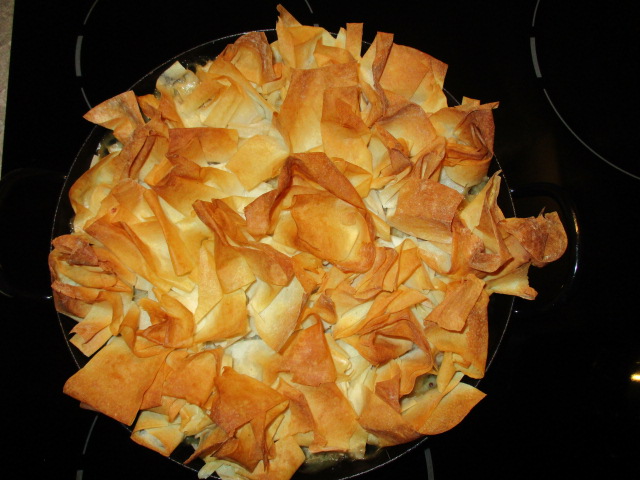
After we had blizzards all day, 8 inches of snow…had to go out in the driving snow to shake the cement off the rhodies and delicate dogwood and maple trees. I thought a chicken, leek and mushroom pie with phyllo roses on top was just the ticket. Served with steamed green asparagus from Spain. So glad to see asparagus season starting!
3 Likes
given the epicureous level and care that bossybaby shows on her cooking, the asparagus are, to say the least the ‘cojonudos’ from Navarra…
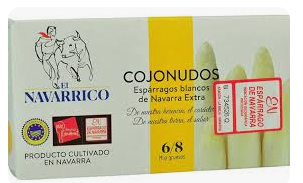
Spanish Asparagus “Cojonudos” (f*****ing good) have this name because the king Juan Carlos in the 90’s while eating then, expressed his ‘pleasure’ in public (in front of the press) by saying “están cojonudos!!” (they are f**********ing good!!! “) . And in the Navarra, the company decided to register this adjetive as a brand ‘quality’  even in the box!!!
2 Likes