So what is the solution to hallucinations? Ask the same question to 3 different AI’s and ask a fourth to evaluate their performance?
That’s a specialized task.
At big companies there’s plenty of internal processes and there’s people whose one job is to say “you can’t do that” because of the rules. Zero flexibility, no negotiation. Some of these processes are very similar to buying a ticket for a flight on a website.
These tasks are ripe for automation, there would be no difference between a piece of software and a real human saying NO.
1 Like
There’s tools that can analyse the veracity of an output - but being honest, my expectation is that as the number of hallucinations goes down, it will be accepted as a risk and (maybe) insured away.
If you get 1 hallucination in a million, you might just say - it’s an acceptable risk and move on.
“the veracity of an output” That is a big one. It does not take an hallucination to cherry pick data or skew the data input. People are going to come with the argument “but AI says so” and a critical analysis of the AI output is going to be exceedingly difficult. These issues have been around for a long time but the recent advances in AI are going take it to a whole new era. What I do not understand is the hype. How many companies are actually seeing a return on AI investment?
3 Likes
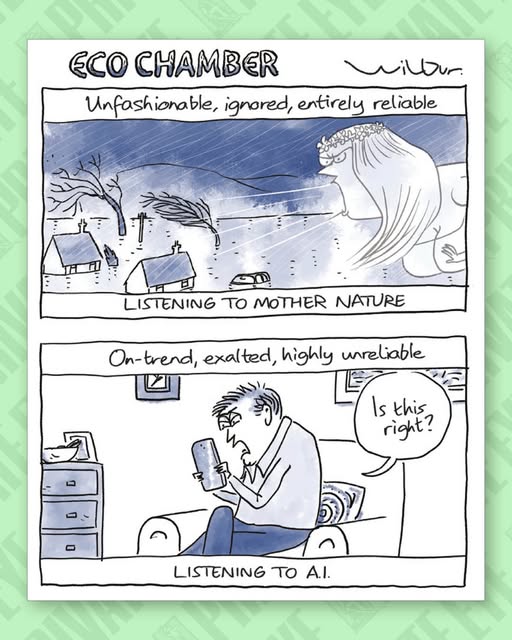
Maybe, no mass layoffs.
Instead, the technology able to process huge amounts of data is applied precisely to process huge amounts of data to squeeze the most out of real humans.
What if you could know which specific worker has higher chances of accepting a lowball offer out of desperation?
Would you use this knowledge to your benefit? Or be a good person?
Uber for Nursing: How an AI-Powered Gig Model Is Threatening Health Care
Ashley, a 31-year-old certified nursing assistant in rural Pennsylvania, has worked in hospitals and nursing homes through the ShiftKey app.1 Though Ashley has worked on the app for the last two years, there’s a lot she doesn’t know about it—like how the company allocates shifts. She is not the only one in the dark. In the gig nursing world, there is zero transparency about how jobs are algorithmically allocated or automatically scheduled. Different shifts will show up on different workers’ phones—often for different amounts of pay. On the same day, at the same hour, in the same hospital, two different gig nurses can be paid different amounts by the same app.
The gig nursing industry looks more like a black box than a clear process or a fair set of rules. The industry’s opaque and personalized pay structures create what Veena Dubal (2023) terms “algorithmic wage discrimination,” a kind of discrimination in which workers are paid different hourly amounts based on ever-changing calculations and informational asymmetries.
Gig nursing apps may determine pay by what the firm knows about how much a nurse was willing to accept for a previous assignment, how often they bid for shifts, or how much credit card or other kinds of debt they might hold.
Nothing new, this is good old information asymmetry. The novelty is that managers don’t need to spent time negotiating with each worker. The software uses the data to negotiate with workers while the manager does…something else?
2 Likes
Will also come to when you buy stuff. There are moves to outlaw this.
1 Like
I’m not afraid of using AI to create products, if it makes the designers/developers and whos not more efficient in this task, that’s fine. I’m afraid of AI being the product, or the very core of the product. We currently deal with a lot of frustration with software and systems bugs. Things which should work reliably are finicky because companies cut costs on testing but update really fast. Now just think of using a product based on AI, you get different output every time you use it…
Regarding the low-cost countries. I believe they are safe. Corporations were already moving skilled jobs to cheap countries, but with the promised efficacy of AI this will only accelerate… you don’t need to spend so much on staff training, just give them AI tools. What matters is who trade his time for less $ when anyone can do it
I often buy stuff from online sites
When I have a problem, there is a nice AI to chat with, but I never found one that understood my problem or offered a solution other than speaking with a real person.
There is a long way to go.
Using people to train AIs sounds like the best approach, but I have many years of experience working on projects to automate manual processes. There are very few people who can accurately describe their jobs or provide adequate use cases that cover all options
1 Like
For online shopping the paradox of choice is a real pain. I use AI to compare products and make informed decisions.
1 Like
O My God!
No need to worry. At least for now. MSN
Any dum f..k manager who wet dreams of replacing anyone with AI is definitely not worth working for.
That’s a good example.
Imagine now, A*Z.. shopping web where you can’t search and choose the product, but describe what you need, negotiate the price, and wait for a surprise box 
Even better is not having to shop at all
If AI buys stuff based on one’s on-screen viewing habits - I’m going to be getting some hefty bills after delivery of Aston Martins and other cars.
3 Likes
I don’t know what would I do with all the spaceships nor how would they deliver them to me
2 Likes
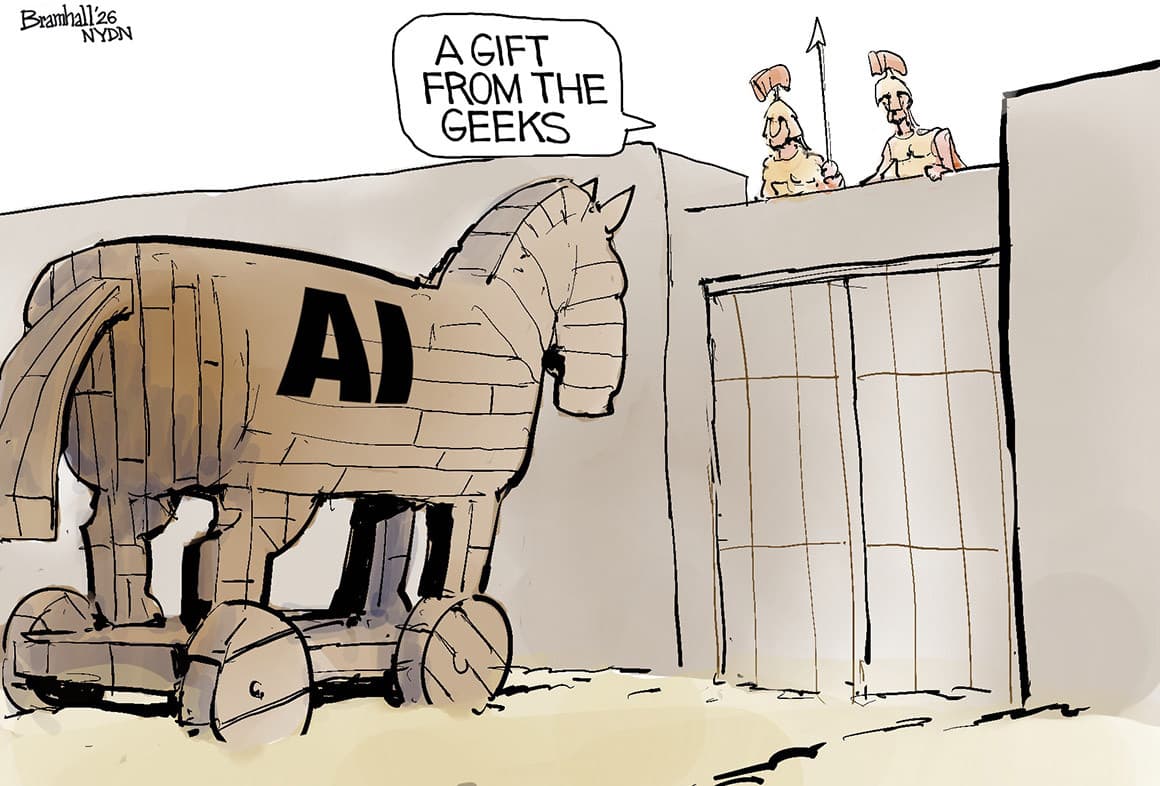
Some tech bros would have us believe that sudden tranformative wealth for all will be generated by AI. I thought this article was a thought-provoking take on how a society could deal with such sudden change without losing its soul–Oman seems to have done so. I did find its people open and happy during our travels there…
2 Likes
Similar to Norwegian Oil fund. When the oil money started streaming they decided not to immediately consume it, not to lower taxes, not to rebuild everything, rather preserve the country culture but secure the future
1 Like
Really enjoyed that article. I guess I am sceptical that AI is going to prove to be such a windfall. The downsides are going to be as similar to the downsides of oil - everyone pays for pollution and climate change. What I think is insidious is this “bring back nuclear” call because we now need more energy for AI.
No thanks. Restrict AI and continue to try to decouple economic growth from energy consumption.
1 Like