A little remark to my dividend strategy stock picking:
That is the only part that was not defined in my original strategy. I tried out different things, at the moment I sort the U.S. dividend 100 Index by dividend yield. That is a bit dangerous, as losers have the highest dividend yield.
Does not happen often, but last month I had to replace two companies.
Up from now I will use the sector. I will buy from the smallest sector in my portfolio, reducing risk by sector diversification. Remember, sector diversification is more important than even country diversification; if a sector runs good or bad in one country it does so usually in all countries.
I still will use the U.S. dividend 100 index as starting point to reduce my workload.
Probably it would have been better to define the stock picking already in the original strategy. After 12 years I would probably have fine-tuned the mechanics. Actually the mechanical stock picking in the gambling strategy works good.
But then, as I mentioned already, stock picking is not that important, you will always pick winners and losers. The important part is how much to invest and what you do with your positions. That I call money and position management.
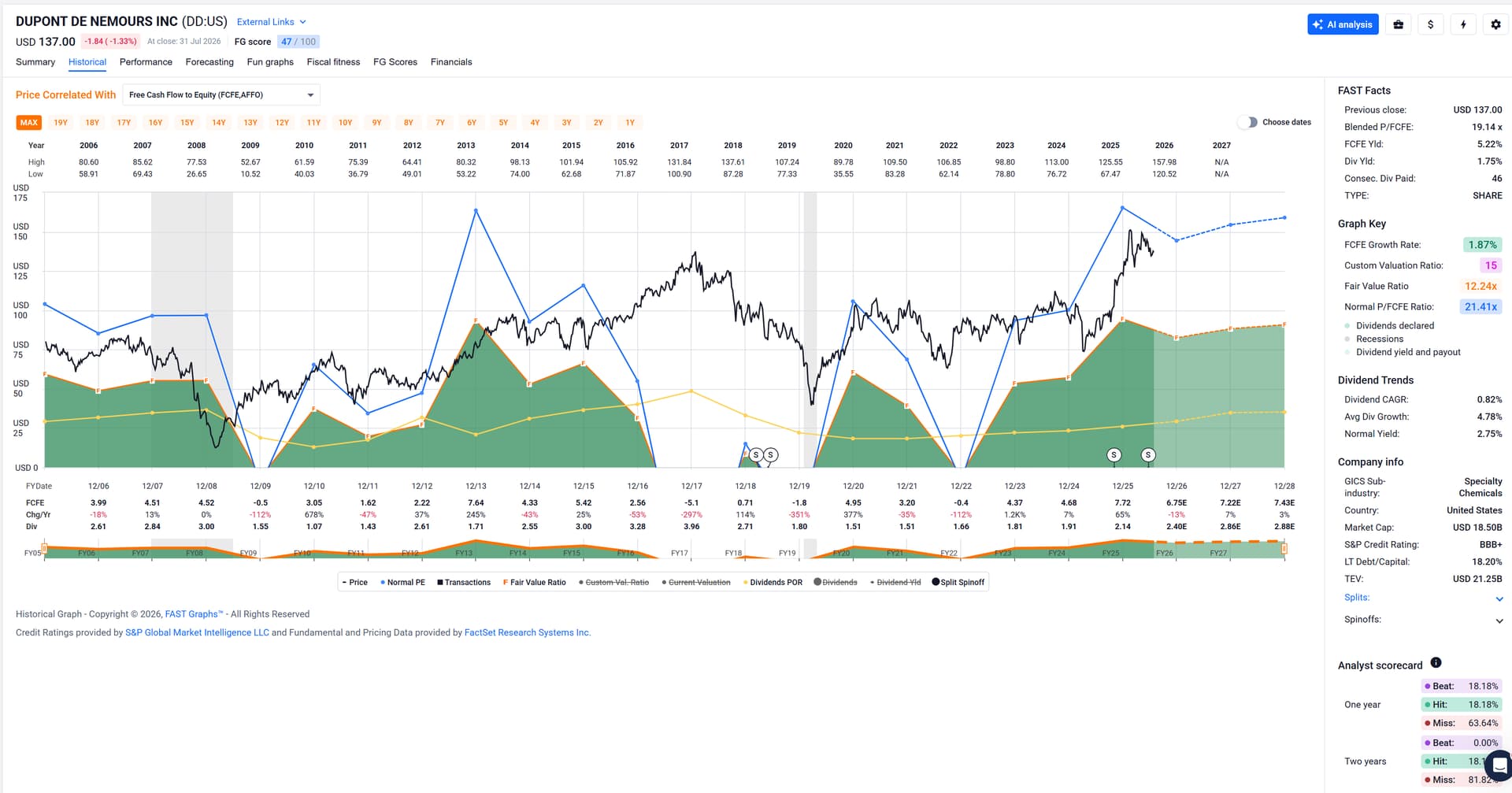
Goofy looks at @cubanpete’s smallest sector … Basic Materials. Oh my, good luck with finding those in your universe.
Even your current Basic Materials holding – DuPont – seems to have been booted from the index already a while ago. But if I understand correctly, you have your own criteria for exiting positions and removal of a company you bought from the index isn’t one of them.
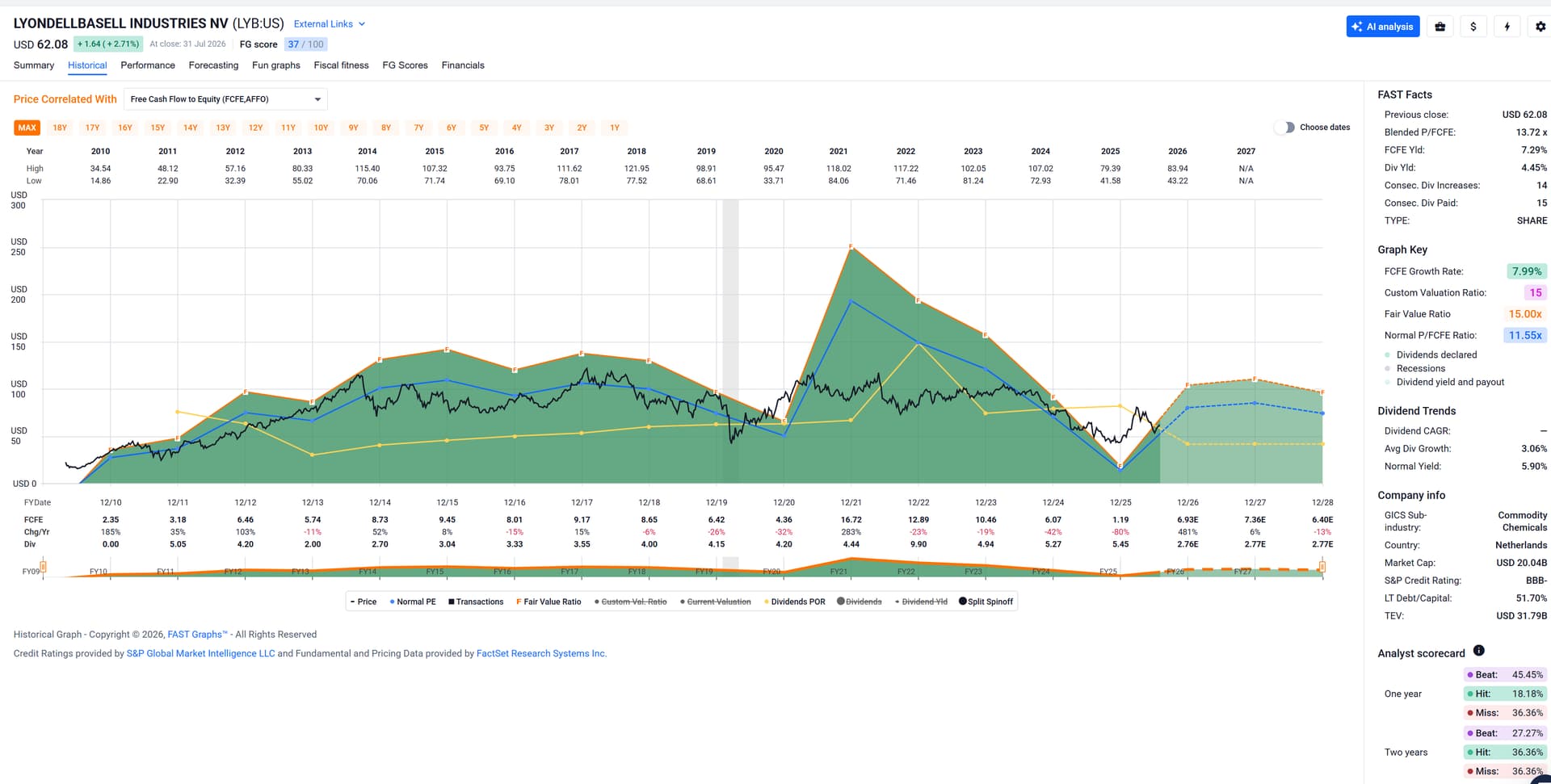
Looking at my own portfolio, I don’t hold any Basic Materials companies anymore. Last one out the door was LyondellBasell when they announced cutting their dividend.
I find Basic Materials companies notoriously fickle when it come to predictability, especially around cash flows. I guess it comes with the business: it’s cyclical.
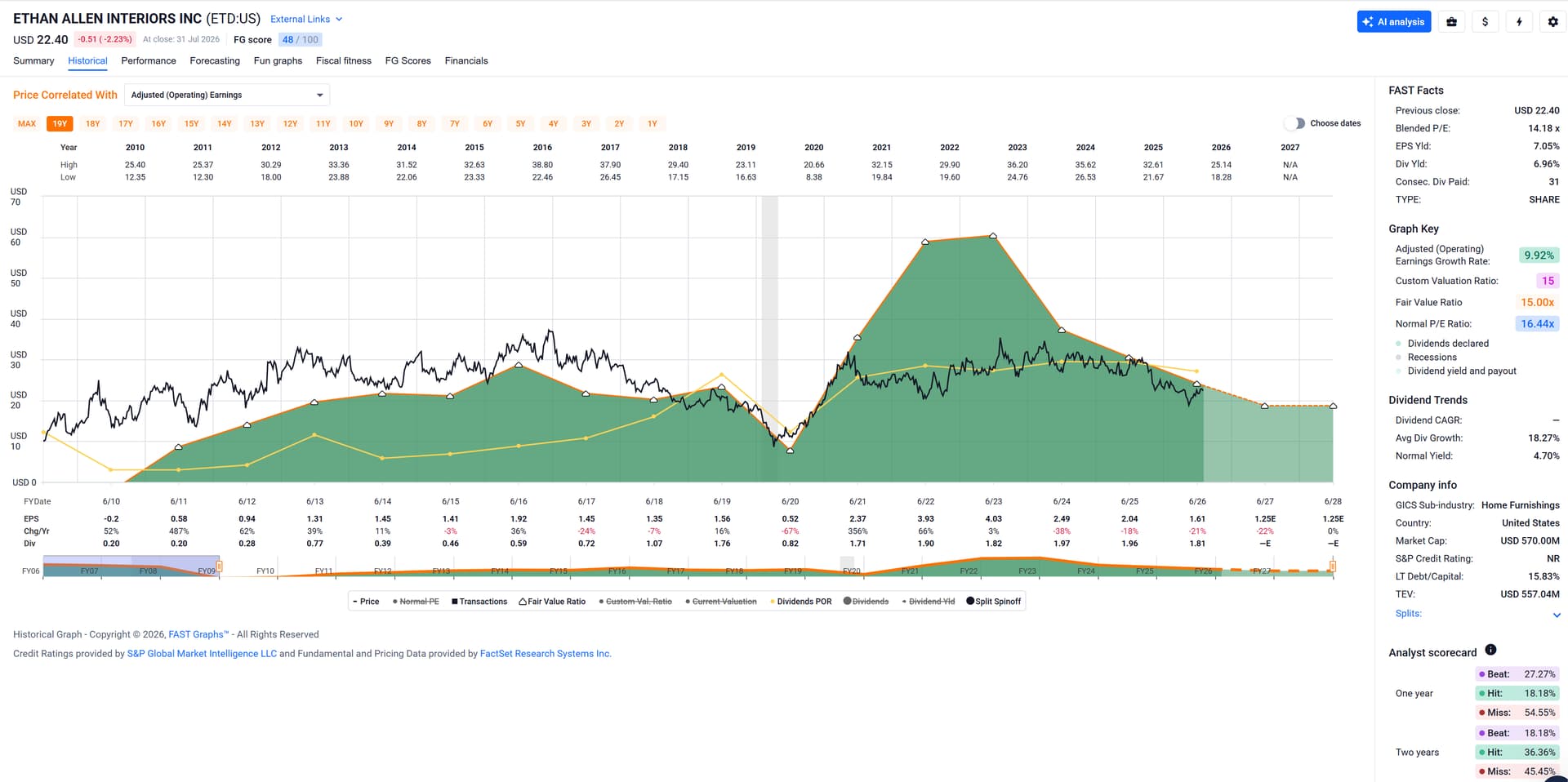
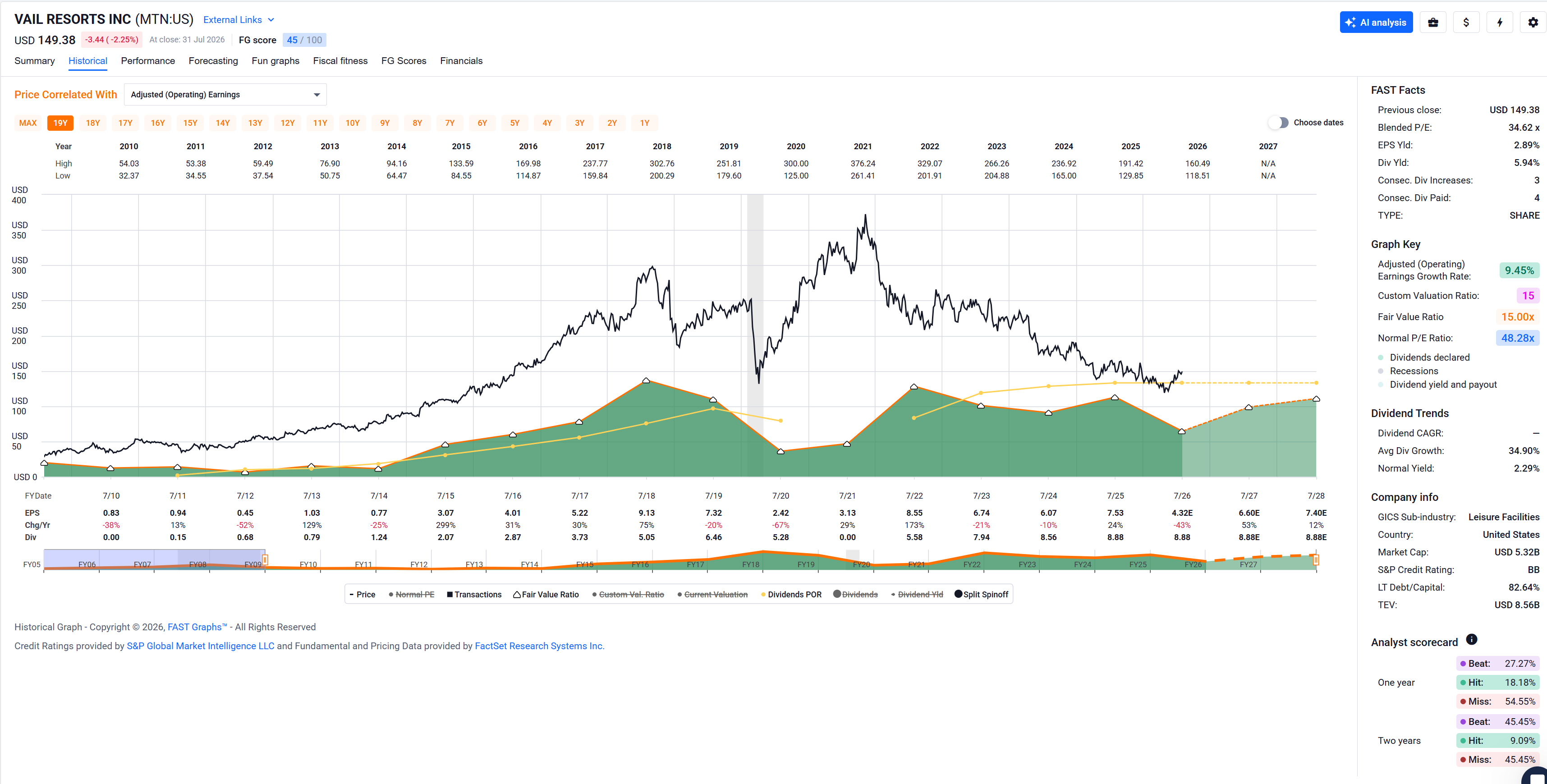
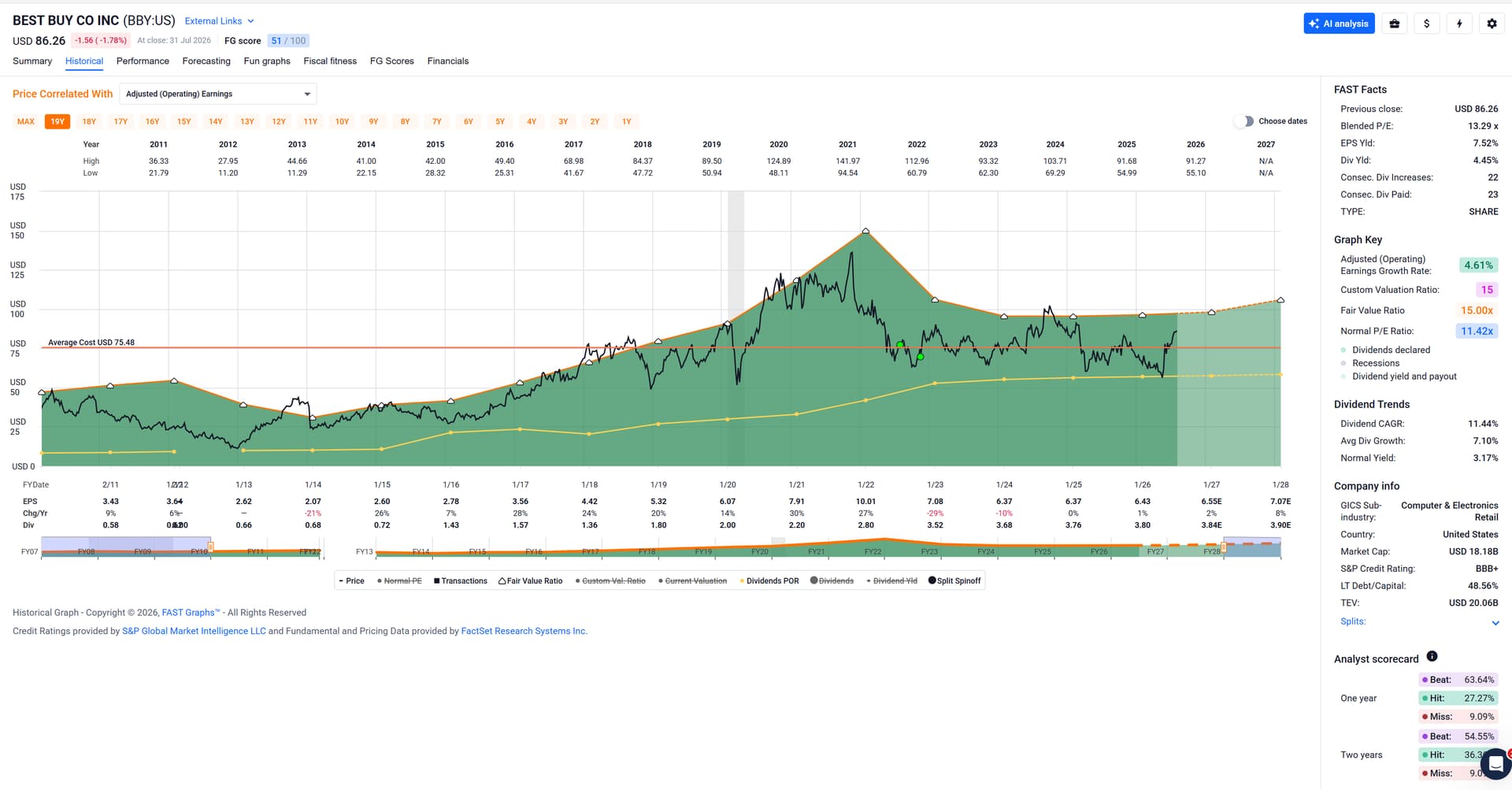
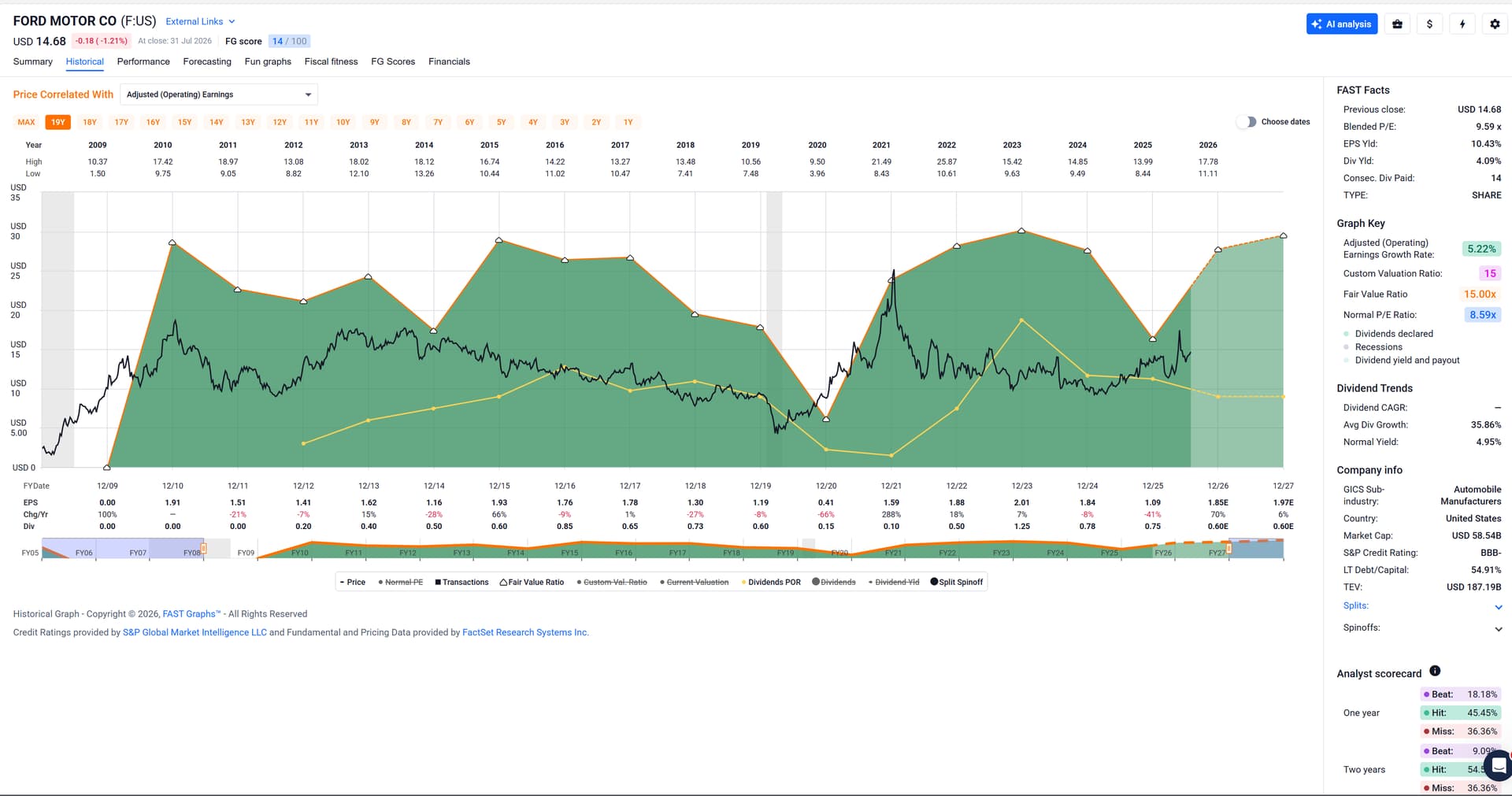
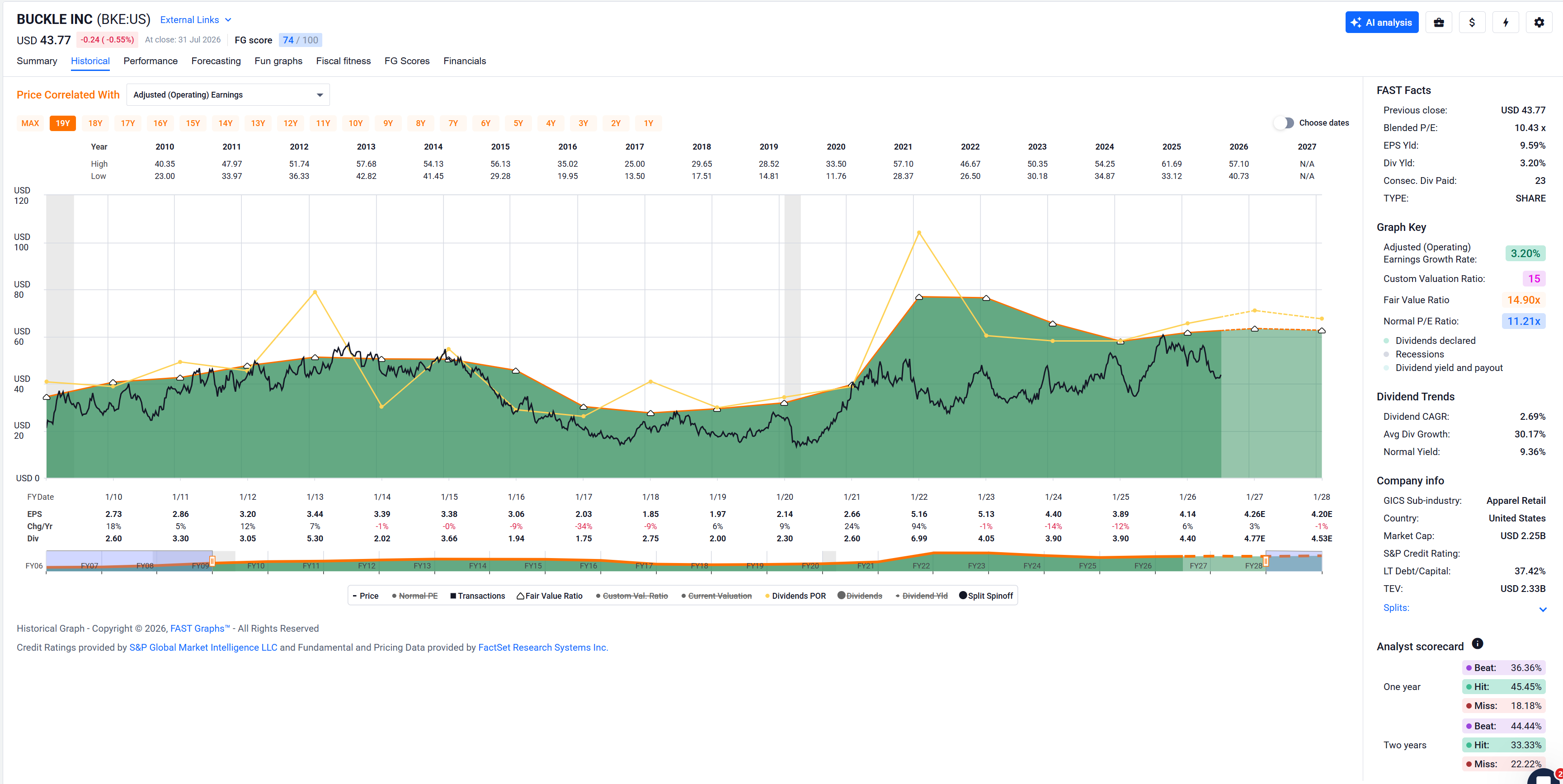
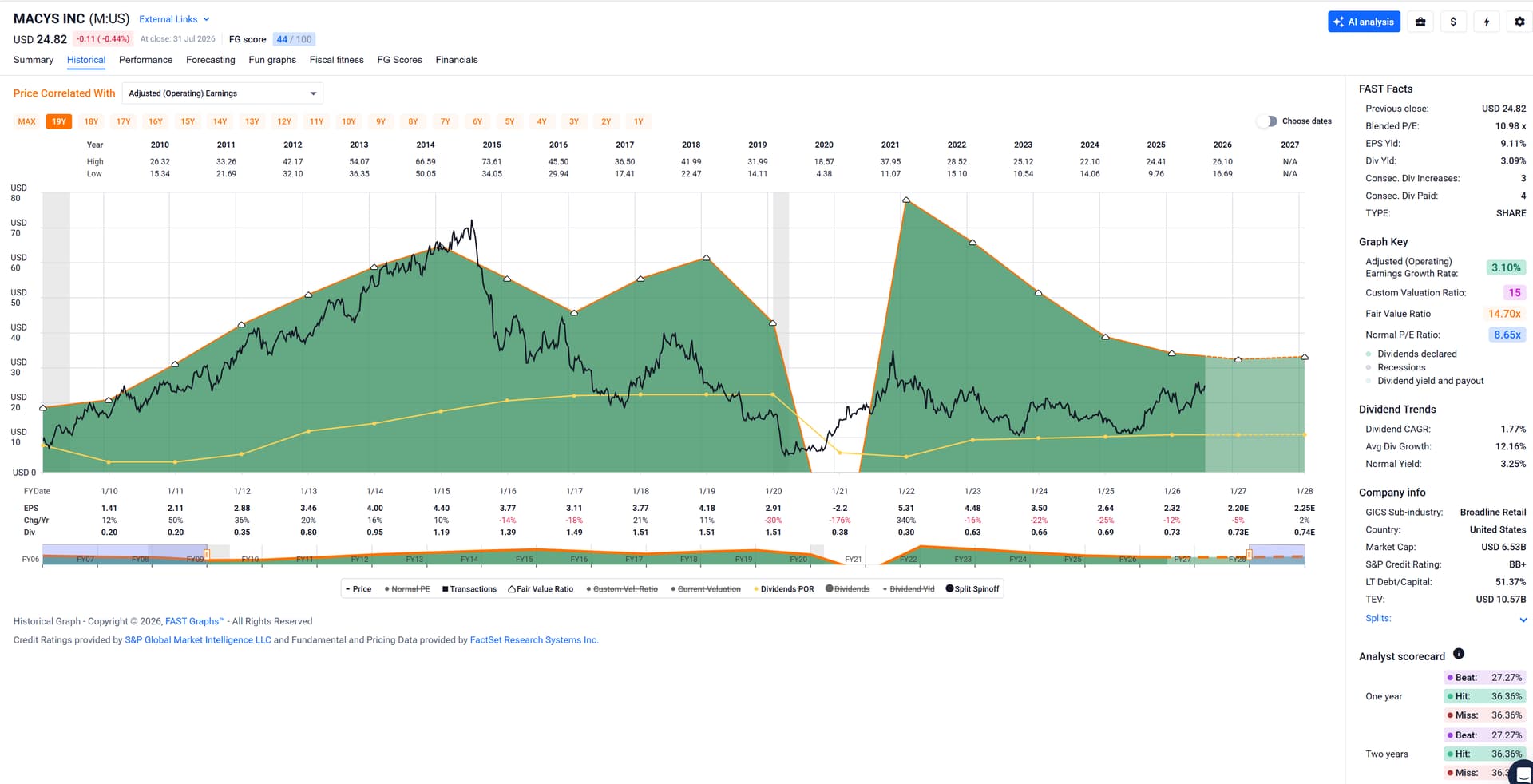
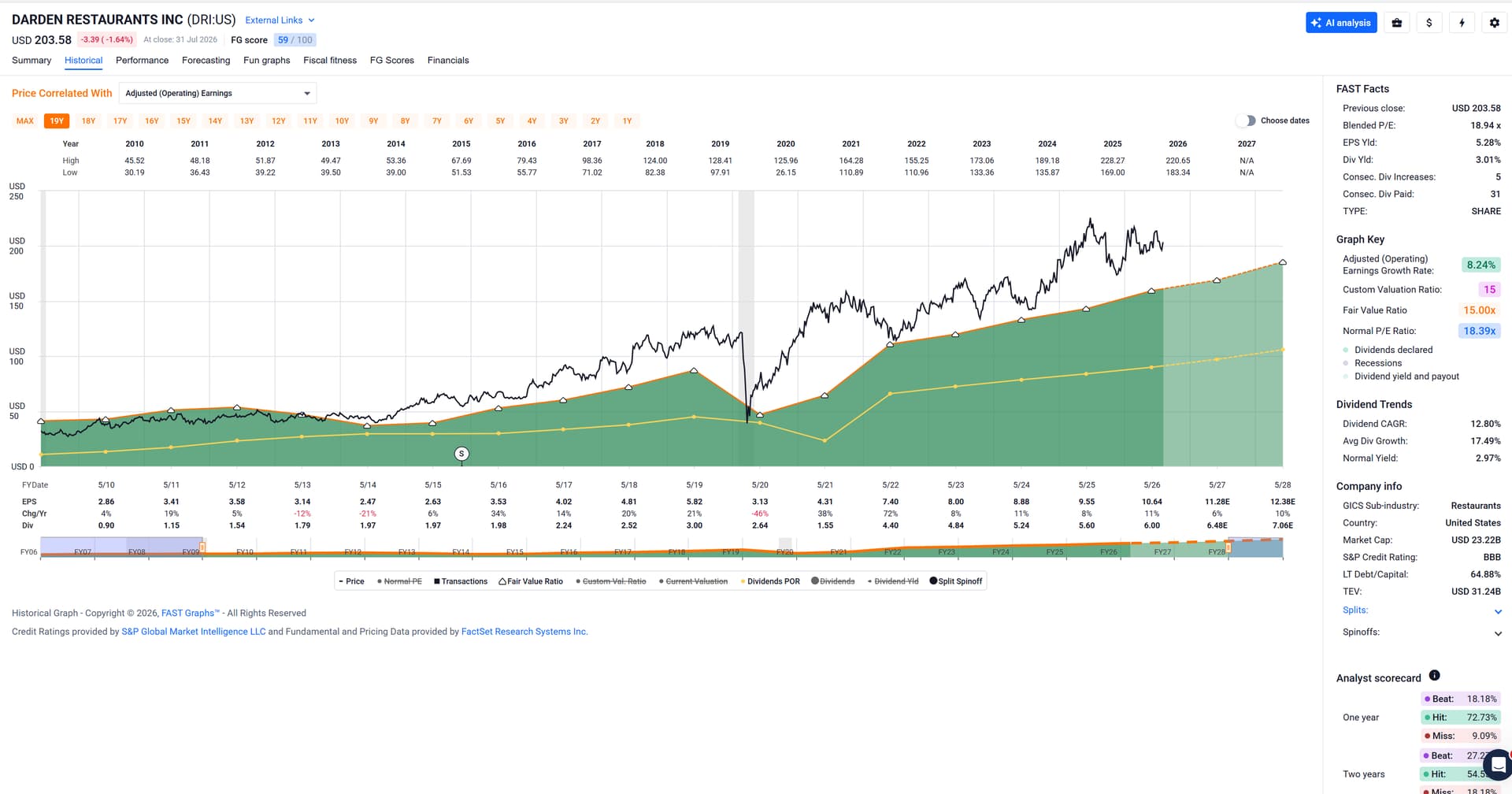
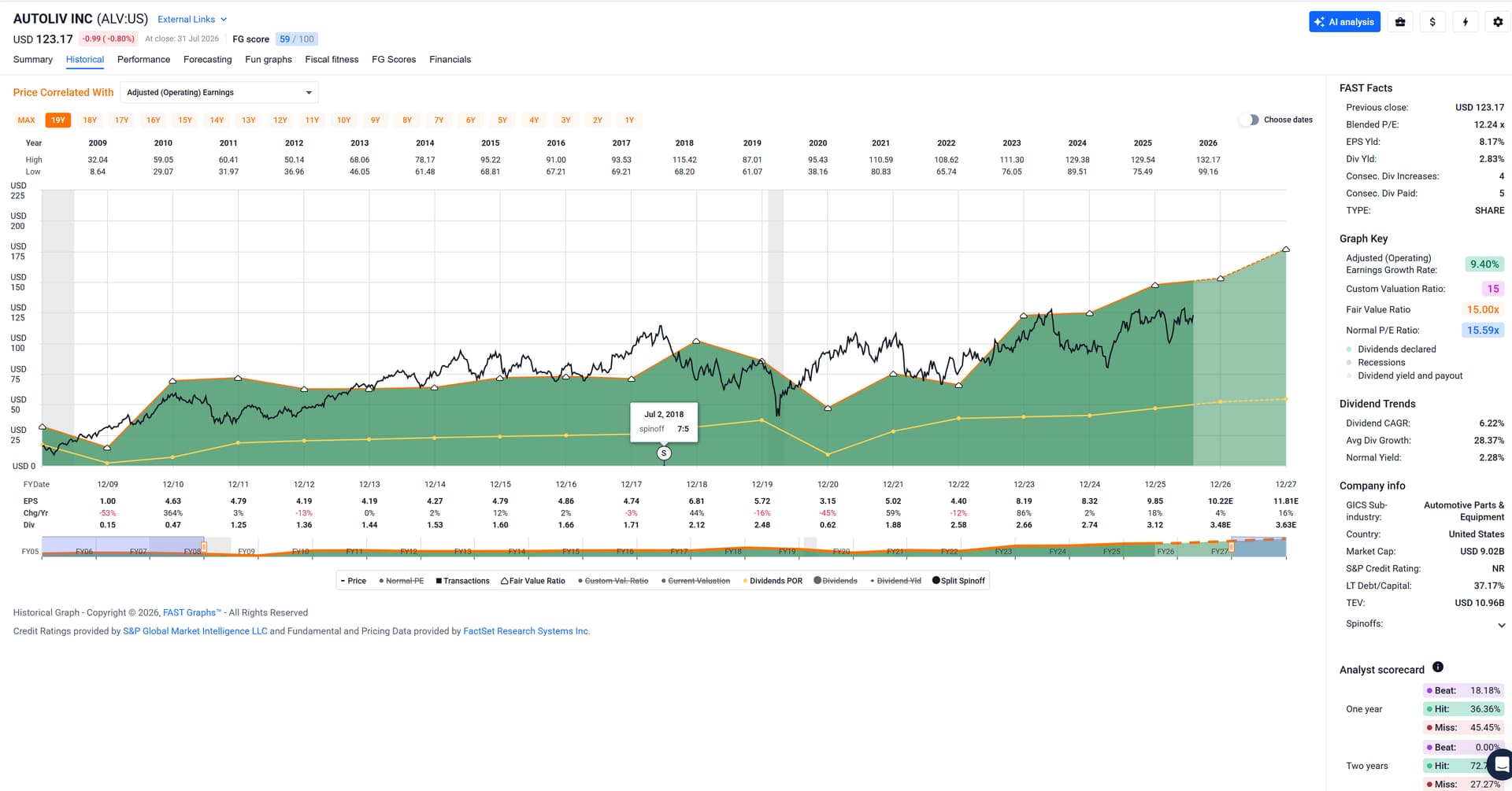
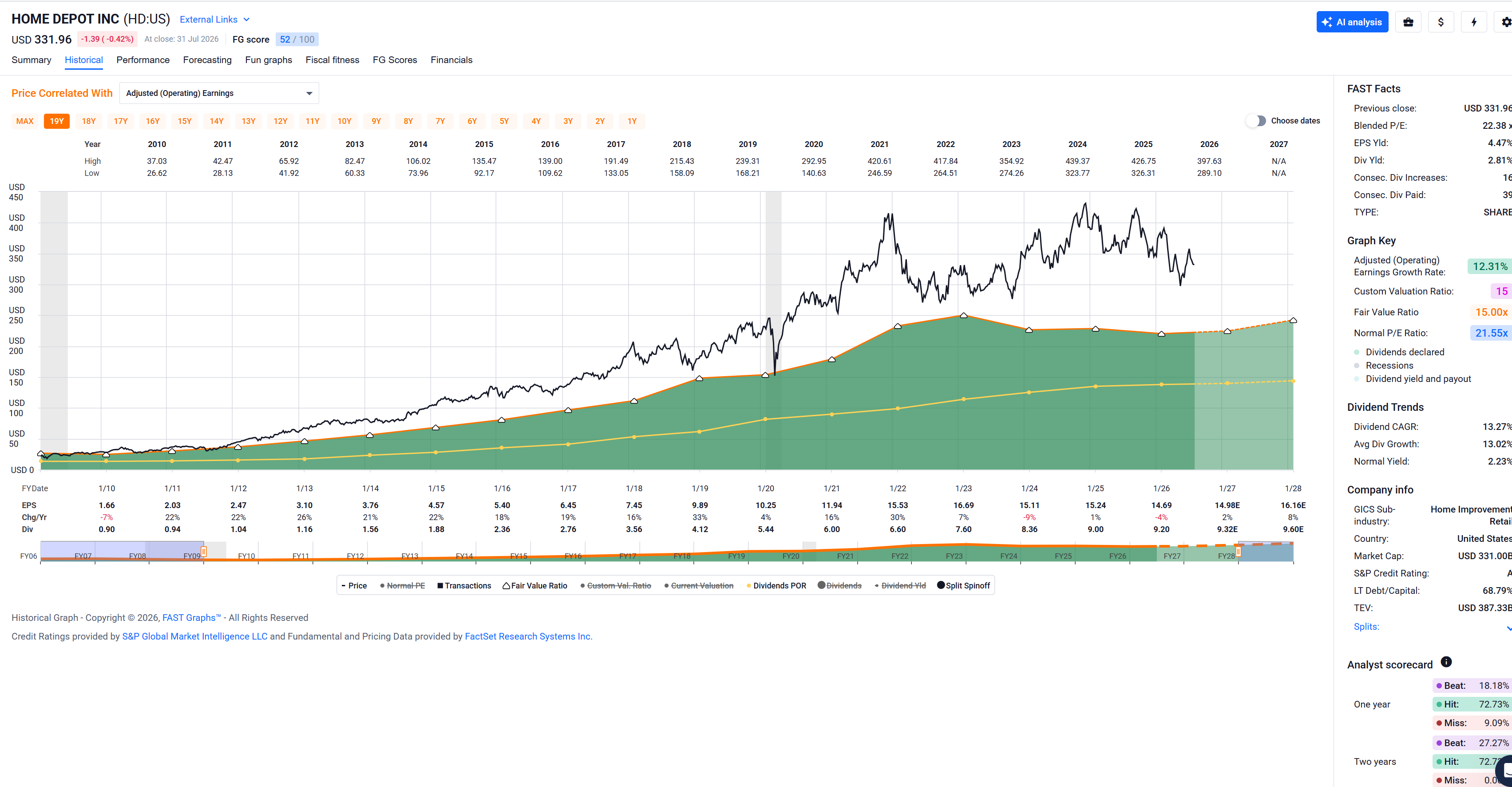
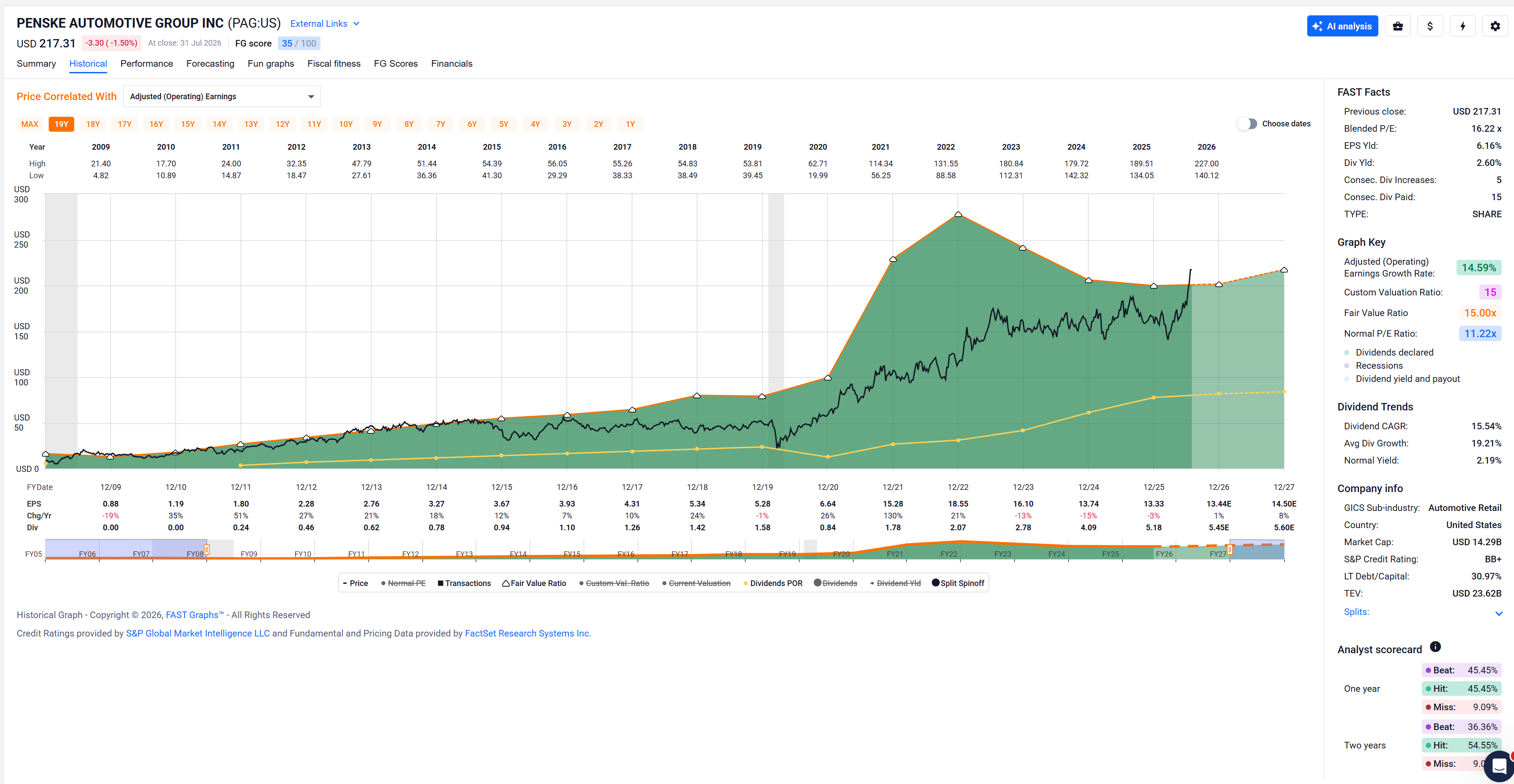
Your second smallest sector appears to be Consumer Discretionary (assuming that’s what you mean by Cyclicles). I had a little fun with CharlesC – the new AI feature within FASTgraphs – and asked it: “Which consumer discretionaries in SCHD are most reliable dividend wise. Order them via dividend yield and indicate their dividend growth over the past five years”
It spit out this table:
#
Ticker
Company
Yield
5Y DPSD CAGR
Consec. Yrs Growth
1
WEN
Wendy’s
7.61%
18.2%
0
2
OXM
Oxford Industries
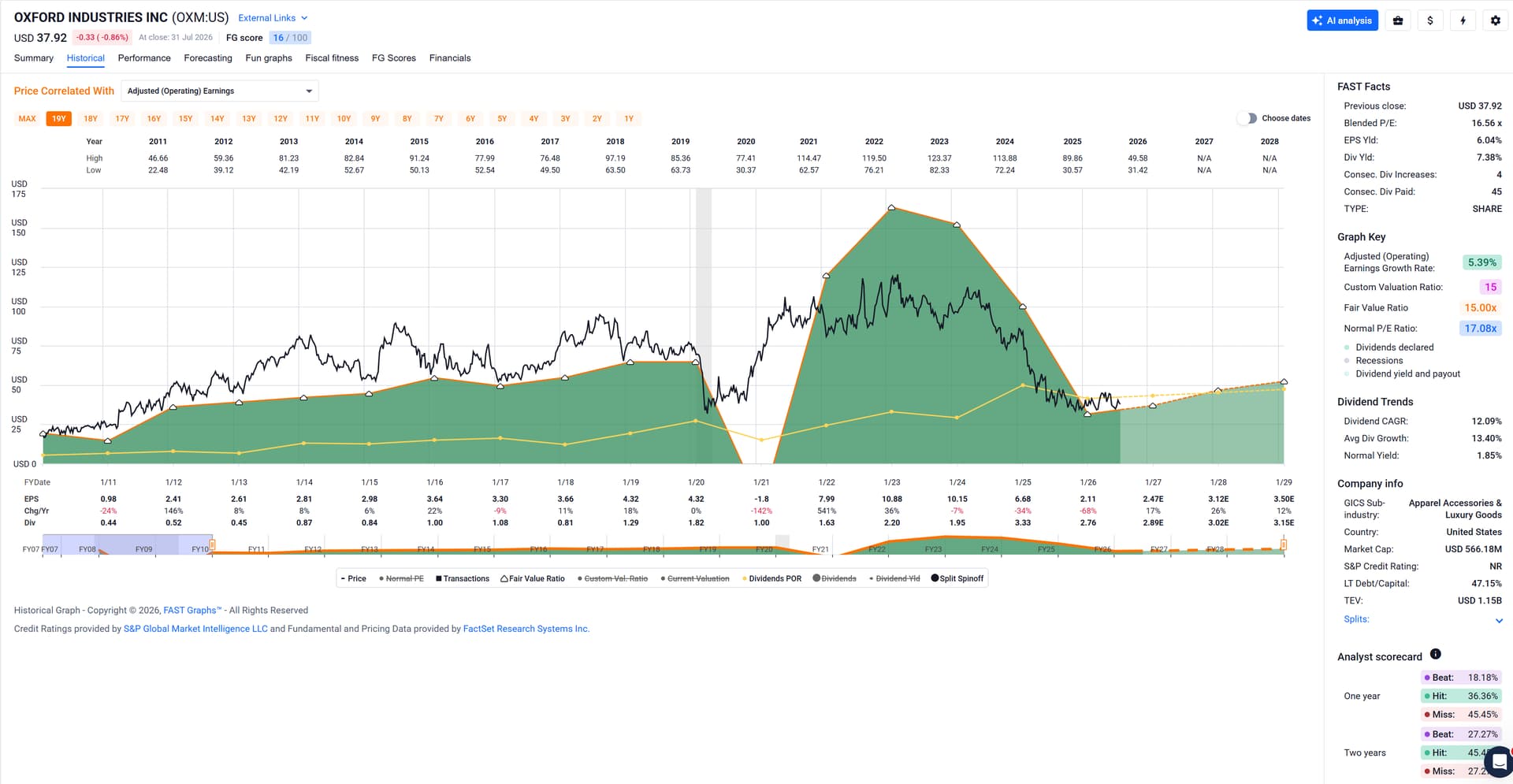
7.38%
22.5%
4
3
ETD
Ethan Allen
6.96%
1.1%
0
4
MTN
Vail Resorts
5.94%
11.0%
3
5
BBY
Best Buy
4.45%
11.6%
22
6
F
Ford
4.09%
38.0%
0
7
BKE
Buckle
3.20%
11.1%
0
8
M
Macy’s
3.09%
14.1%
3
9
DRI
Darden Restaurants
3.01%
31.1%
5
10
ALV
Autoliv
2.83%
38.2%
4
11
HD
Home Depot
2.81%
8.9%
16
12
PAG
Penske Automotive
2.60%
43.9%
5
Since it’s our National Holiday today, I can only recommend Vail Resorts as they own the Andermatt ski lifts IIRC.
Just kidding. For my investment style, I could probably only buy Best Buy right now. A couple of others look interesting from an earnings and dividend perspective, but they’re overpriced (Darden Restaurants, Home Depot).
Full answer by Charles
Here are all 12 Consumer Discretionary stocks in SCHD, ranked by dividend yield:
#
Ticker
Company
Yield
5Y DPSD CAGR
Consec. Yrs Growth
1
WEN
Wendy’s
7.61%
18.2%
0
2
OXM
Oxford Industries
7.38%
22.5%
4
3
ETD
Ethan Allen
6.96%
1.1%
0
4
MTN
Vail Resorts
5.94%
11.0%
3
5
BBY
Best Buy
4.45%
11.6%
22
6
F
Ford
4.09%
38.0%
0
7
BKE
Buckle
3.20%
11.1%
0
8
M
Macy’s
3.09%
14.1%
3
9
DRI
Darden Restaurants
3.01%
31.1%
5
10
ALV
Autoliv
2.83%
38.2%
4
11
HD
Home Depot
2.81%
8.9%
16
12
PAG
Penske Automotive
2.60%
43.9%
5
Most Reliable Dividends
Yield alone doesn’t tell the full story. The standout for dependability is Best Buy (BBY) — 22 consecutive years of dividend growth (three shy of Aristocrat status), a healthy 4.45% yield, and a solid 11.6% five-year CAGR. That’s the best blend of income and reliability in this group.
Home Depot (HD) is the other rock — 16 consecutive years, the largest position here (4.32% of SCHD), with a modest 2.81% yield but the kind of blue-chip predictability you’d expect from a Dow component. Its 8.9% DPS CAGR is slower than peers, but it’s been grinding higher every year without a hiccup.
Darden (DRI) stands out for growth quality: a 31.1% five-year DPS CAGR with 5 consecutive years of increases. They rebuilt the dividend aggressively post-COVID and haven’t looked back.
Caution Flags
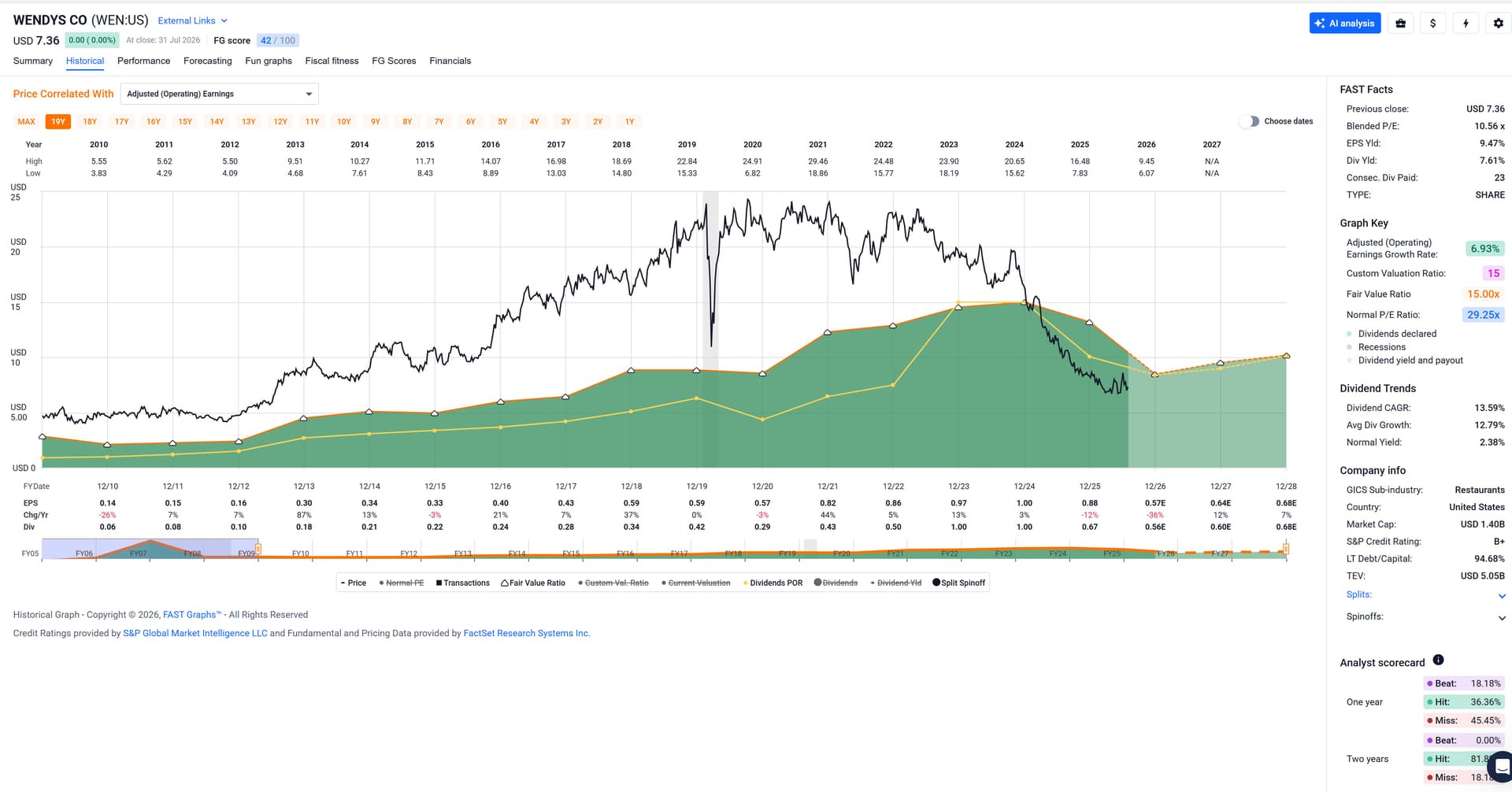
Wendy’s (7.61%) is pushing into distress-yield territory (8%+ is the typical danger zone), and the 0 consecutive years means they’ve cut before — the high yield may not be sustainable.
Ethan Allen (6.96%) has a near-flat 1.1% DPS CAGR over five years — you’re getting a high current yield but virtually no growth.
Ford (4.09%) shows a noisy 38% CAGR from a very low base post-suspension; the 0-year streak means they cut the dividend entirely during COVID.
Vail Resorts (5.94%) has a short 3-year growth streak and operates a highly cyclical, weather-dependent business.
Bottom line: for dividend reliability in SCHD’s Consumer Discretionary sleeve, BBY and HD are the standouts. If you want yield plus a track record, BBY is the pick — 4.45% with 22 years of consecutive growth is hard to beat in this sector.
C Charles, supposedly named after Chuck Carnevale, the founder of FASTgraphs.
DDPS stands for Dividend Per Share — the total dividends a company pays out over a year, divided by its outstanding shares. It’s the raw dollar amount each shareholder receives per share they own.
In our table above, 5Y DPS CAGR measures how fast that annual per-share payout has compounded over the last five years. For example, Best Buy’s 11.6% DPS CAGR means its annual dividend per share grew at nearly 12% per year over the past five — roughly doubling the payout in that span.
Actually in my dividend strategy I don’t hold any utilities nor energy companies and just one from the basic material sectors. I need more diversification there. The healthcare and the finance sector are at over 20% at the moment.
But then in my gambling portfolio I hold 6 basic material and 13 energy stocks (being an oil sheikh). I even hold one utility there, the nuclear power plant “Constellation Energy”.
I hope the stocks I bought last month will not byte me. Using the dividend yield for sorting was kind of bold, I may get some cyclical lows but I get all the losers too.
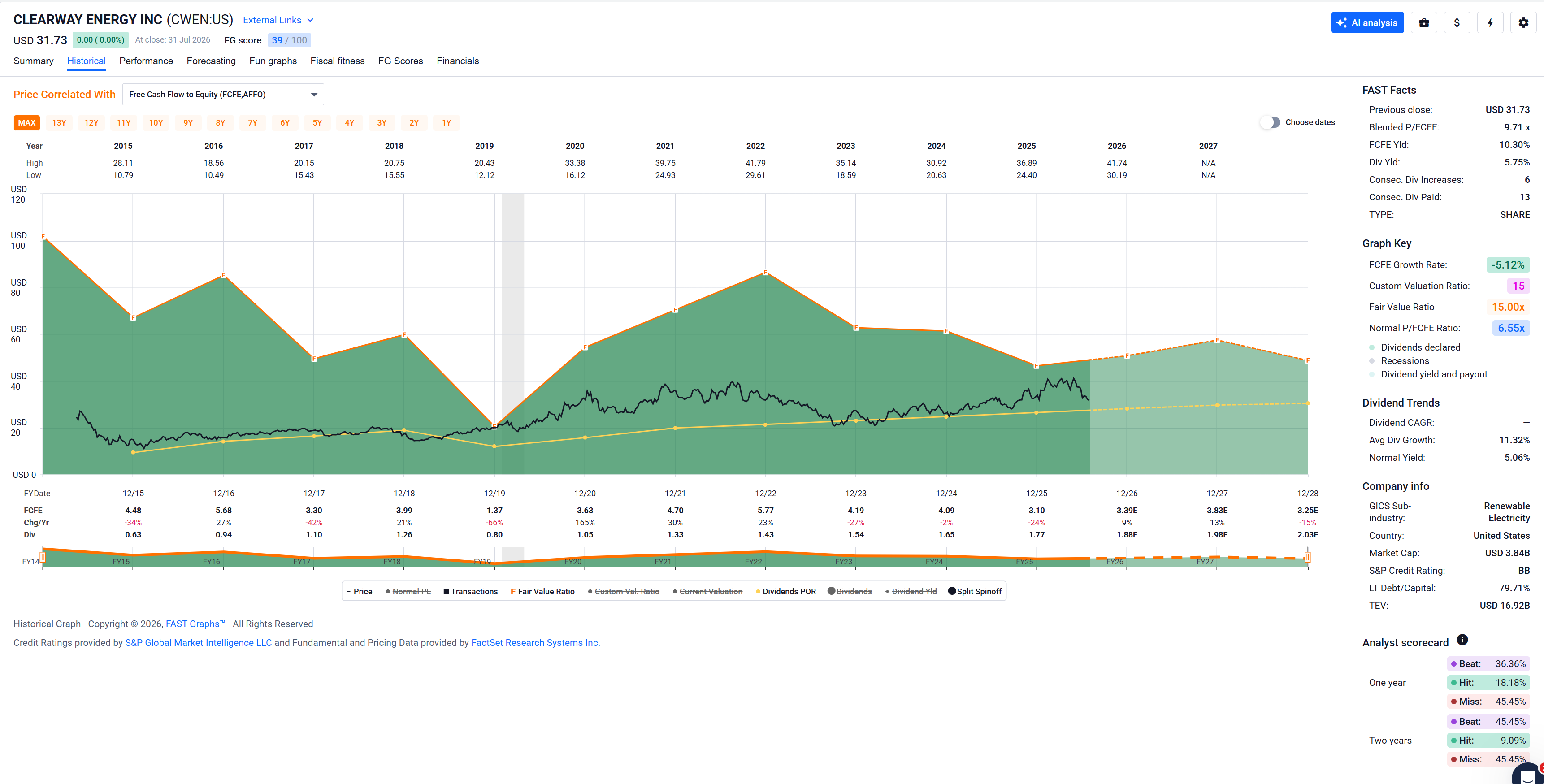
I don’t hate it, but I would prefer other utilities.
Things I like:
somewhat consistent dividend track record (rather big cut in 2019, though)
Things I don’t like:
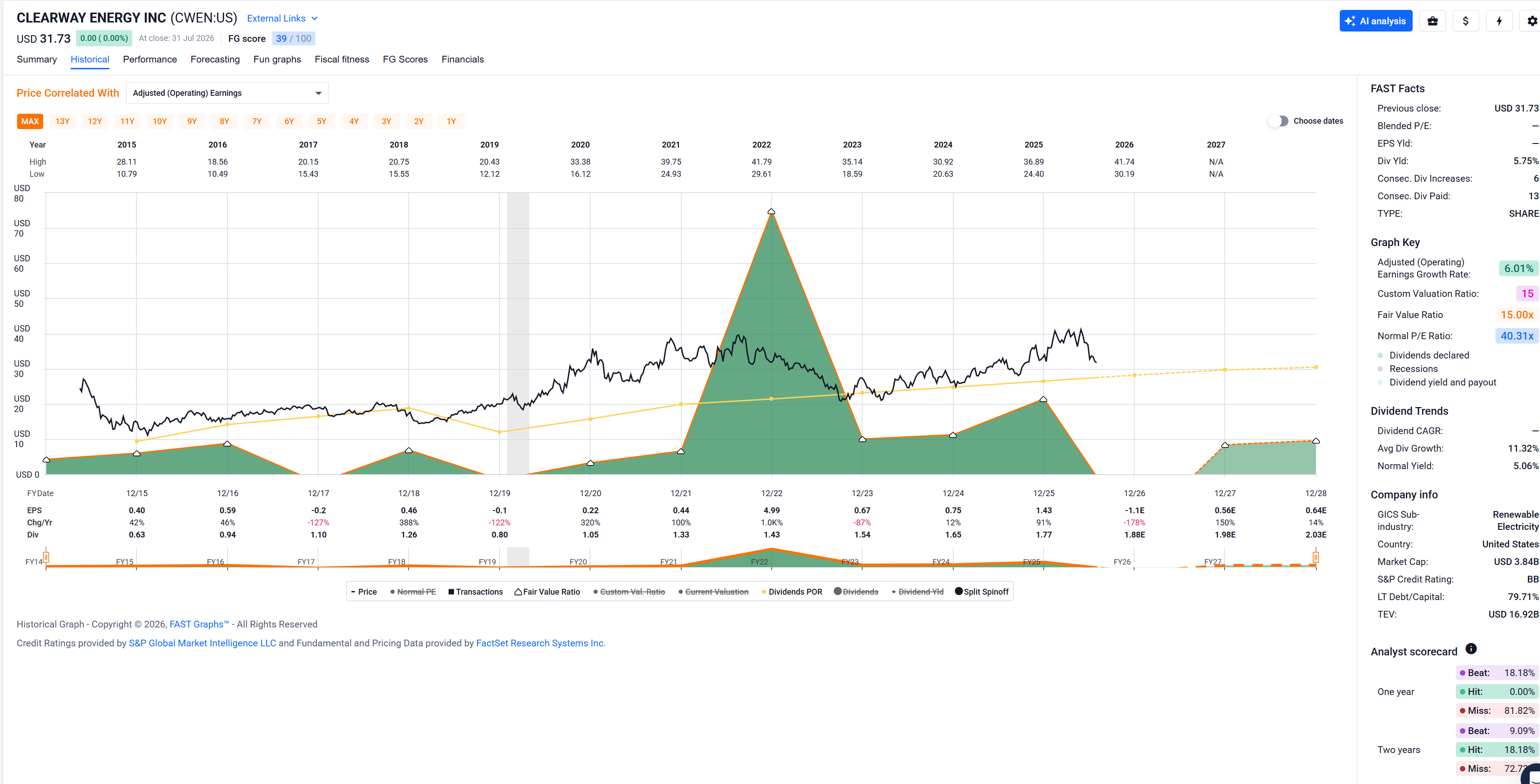
no real growth in the business (both earnings and FCF)
lots of debt, low credit rating (BB is two notches below investment grade and in the bond world they call this junk, which means any bonds they’ve issued – and they’ve issued a lot – is in the junk bond category)
they seem to be giving terrible guidance for earnings and cash flows
am I allowed to say this here: renewable energy? Meh …
I mean, no real red flags, but there are – for my investment style – better utilities out there.
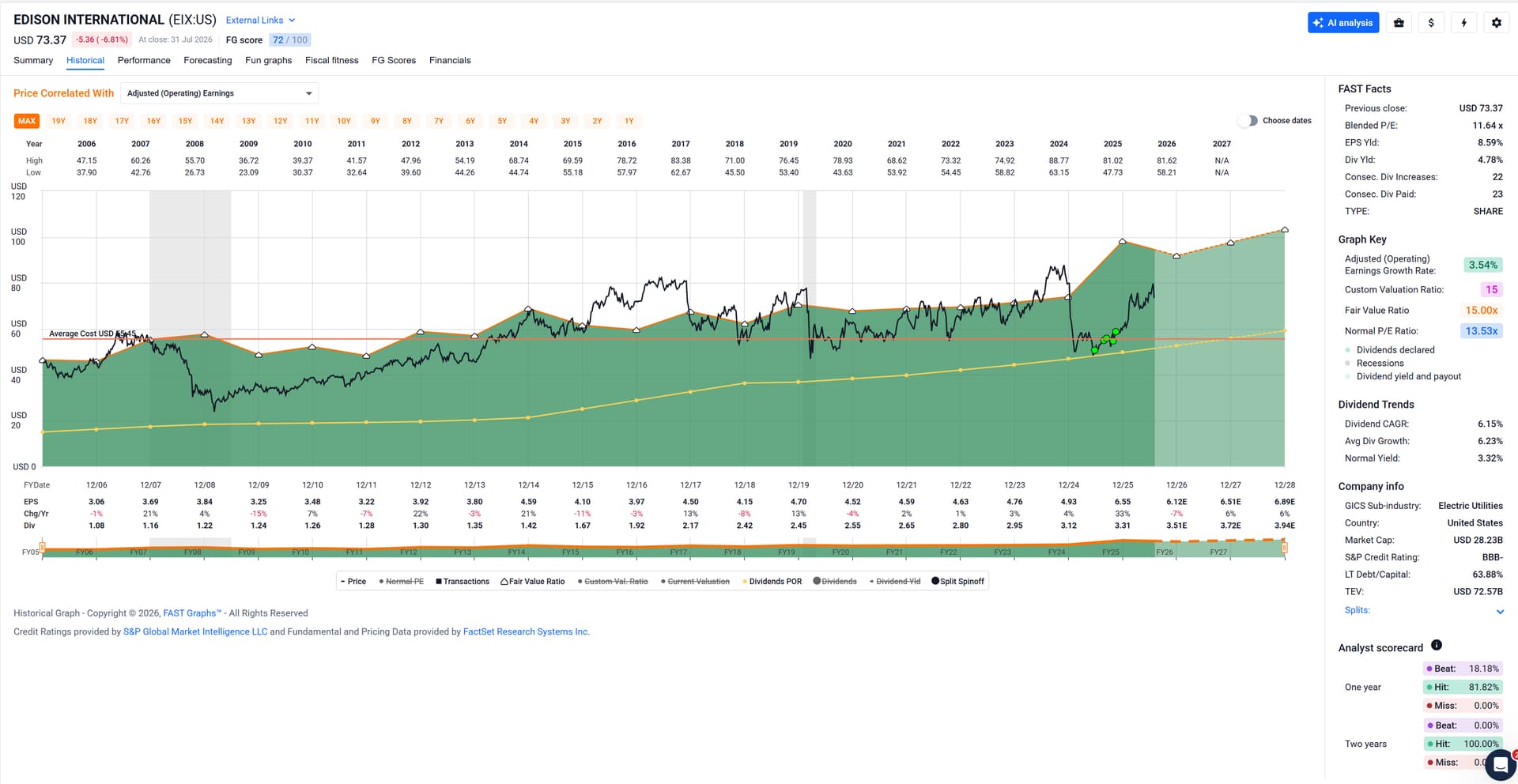
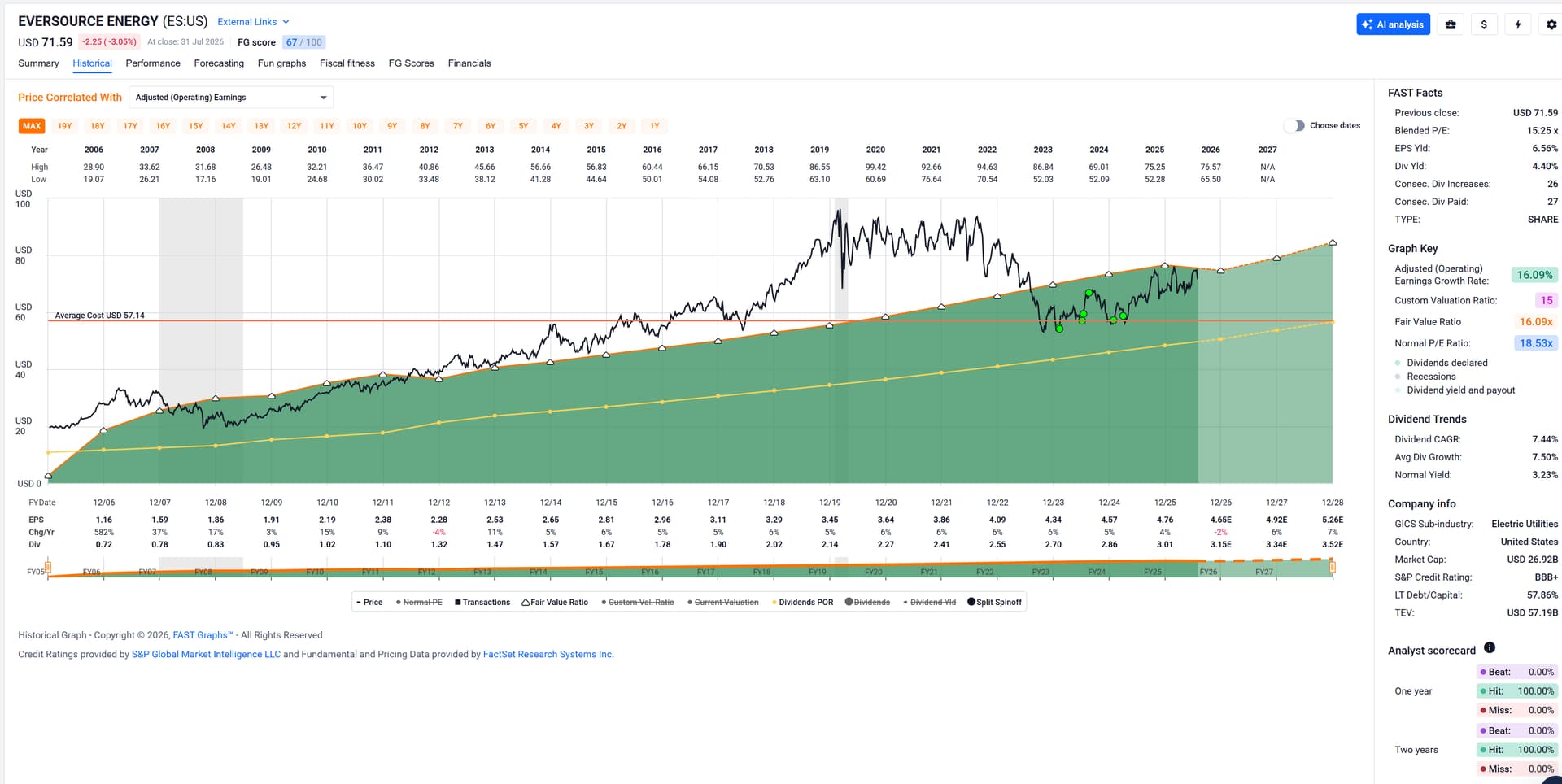
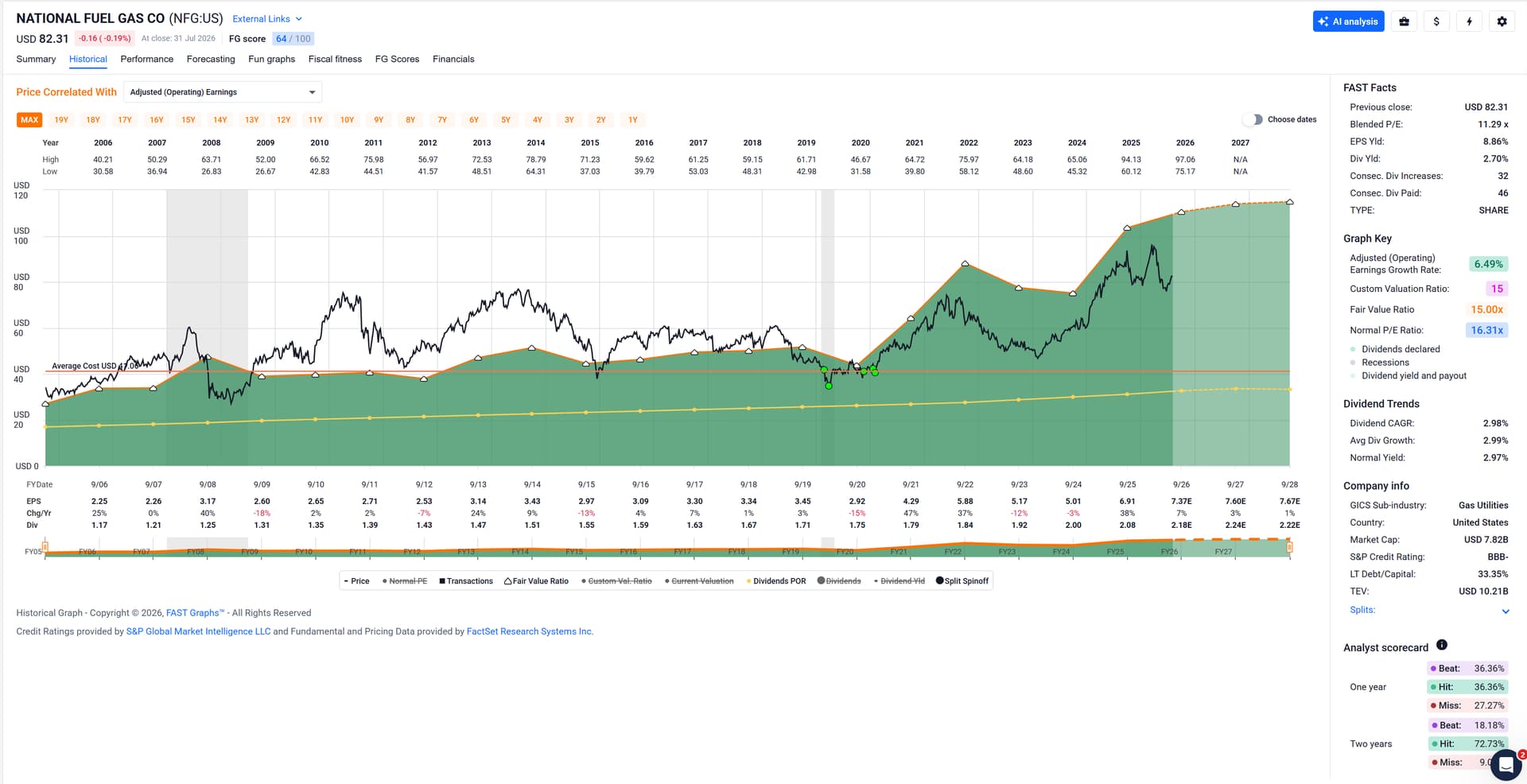
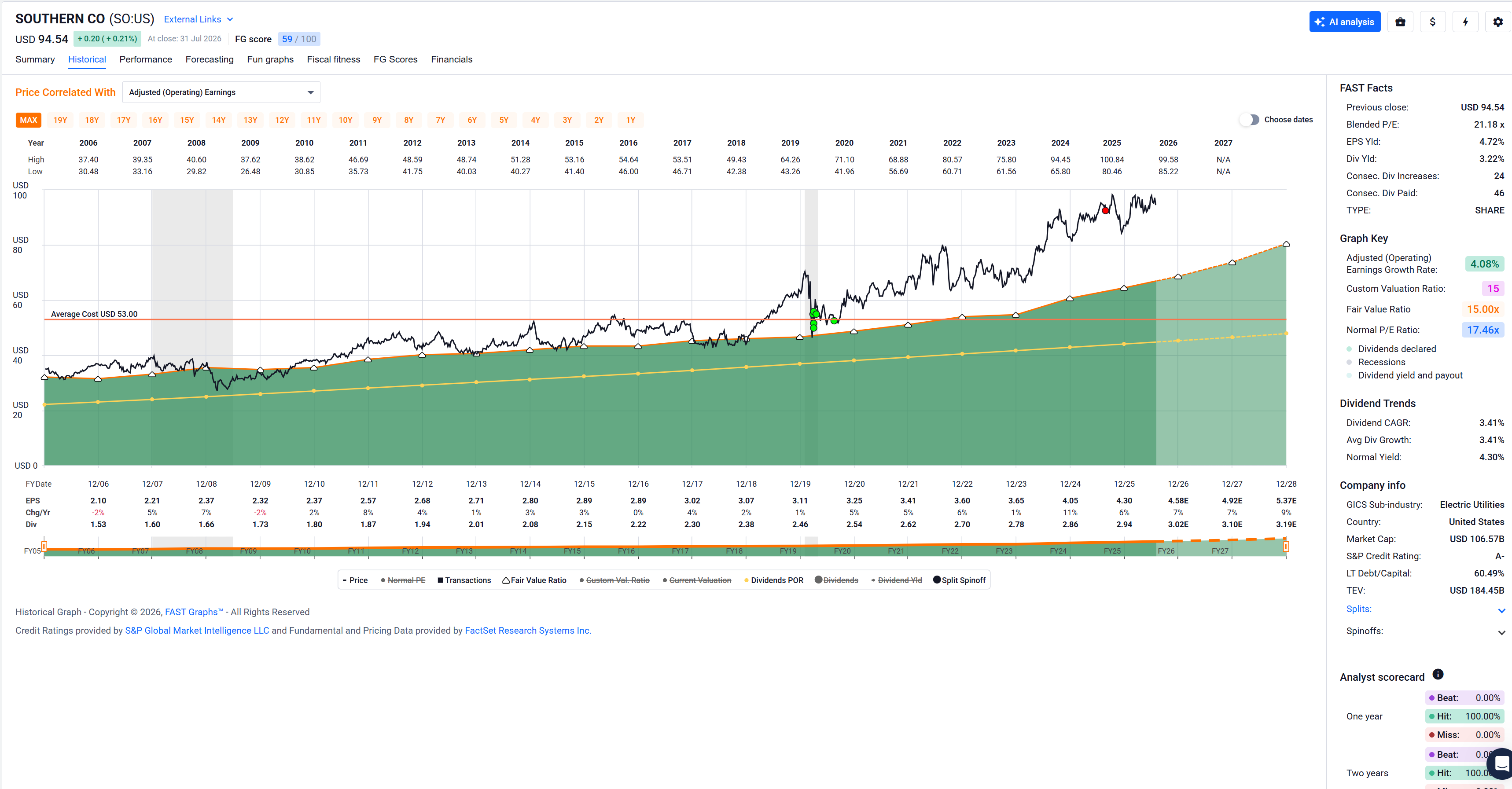
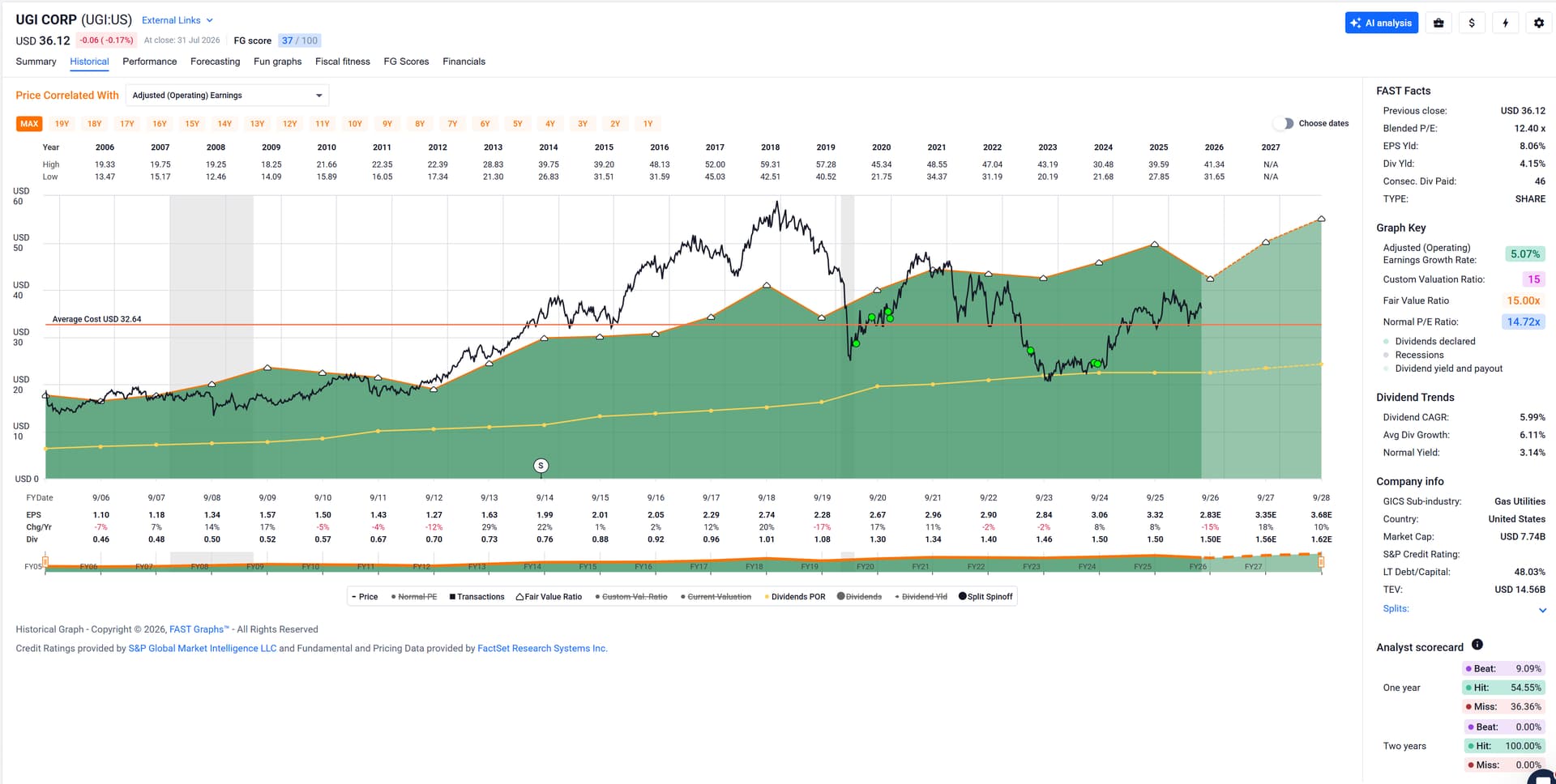
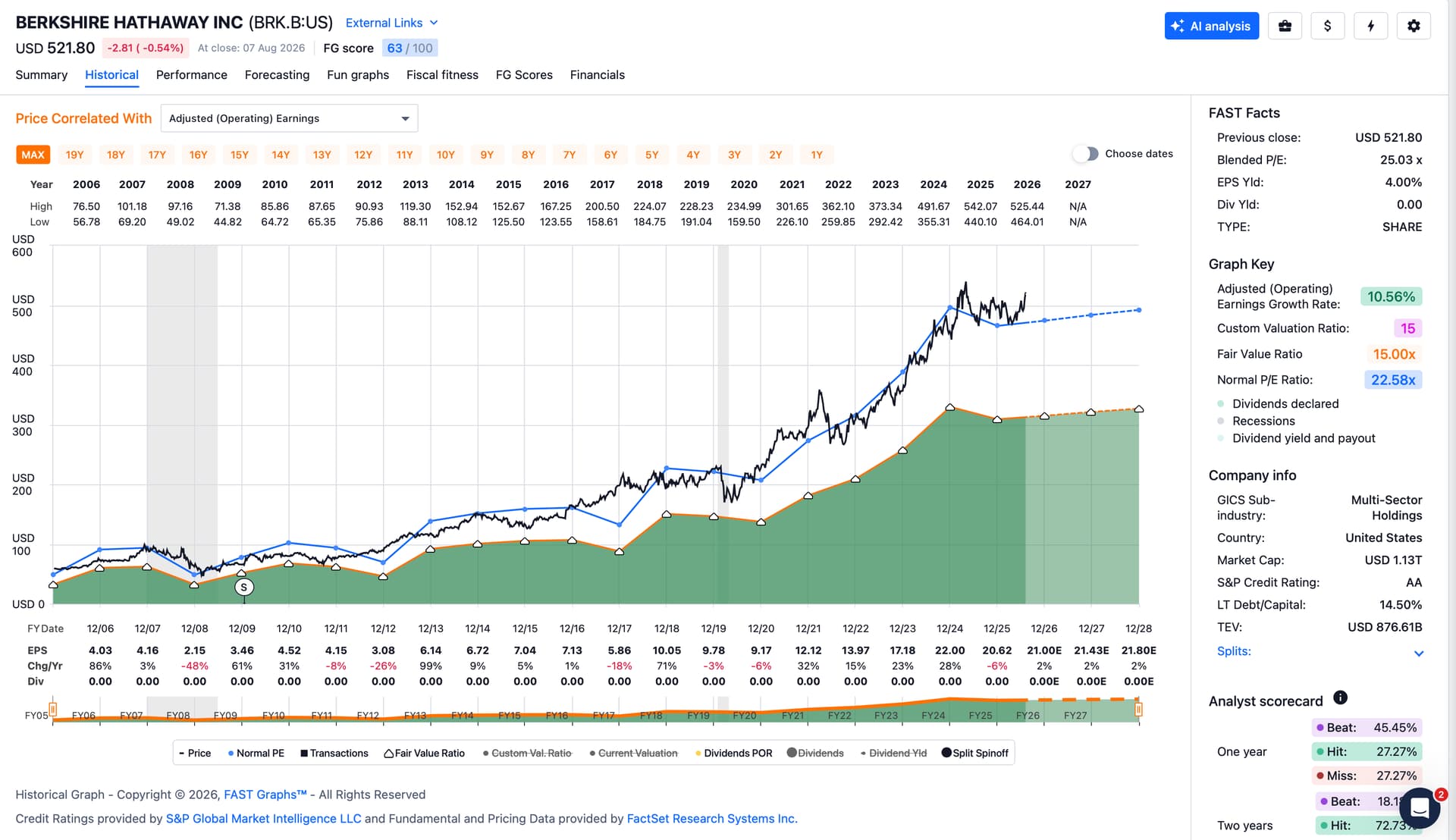
I like all of the utilties own – well, that wasn’t a surprise, was it? – and would at current valuations still buy Edison International, Eversource, National Fuel Gas and UGI. I also own Southern, but they’re a little overvalued.
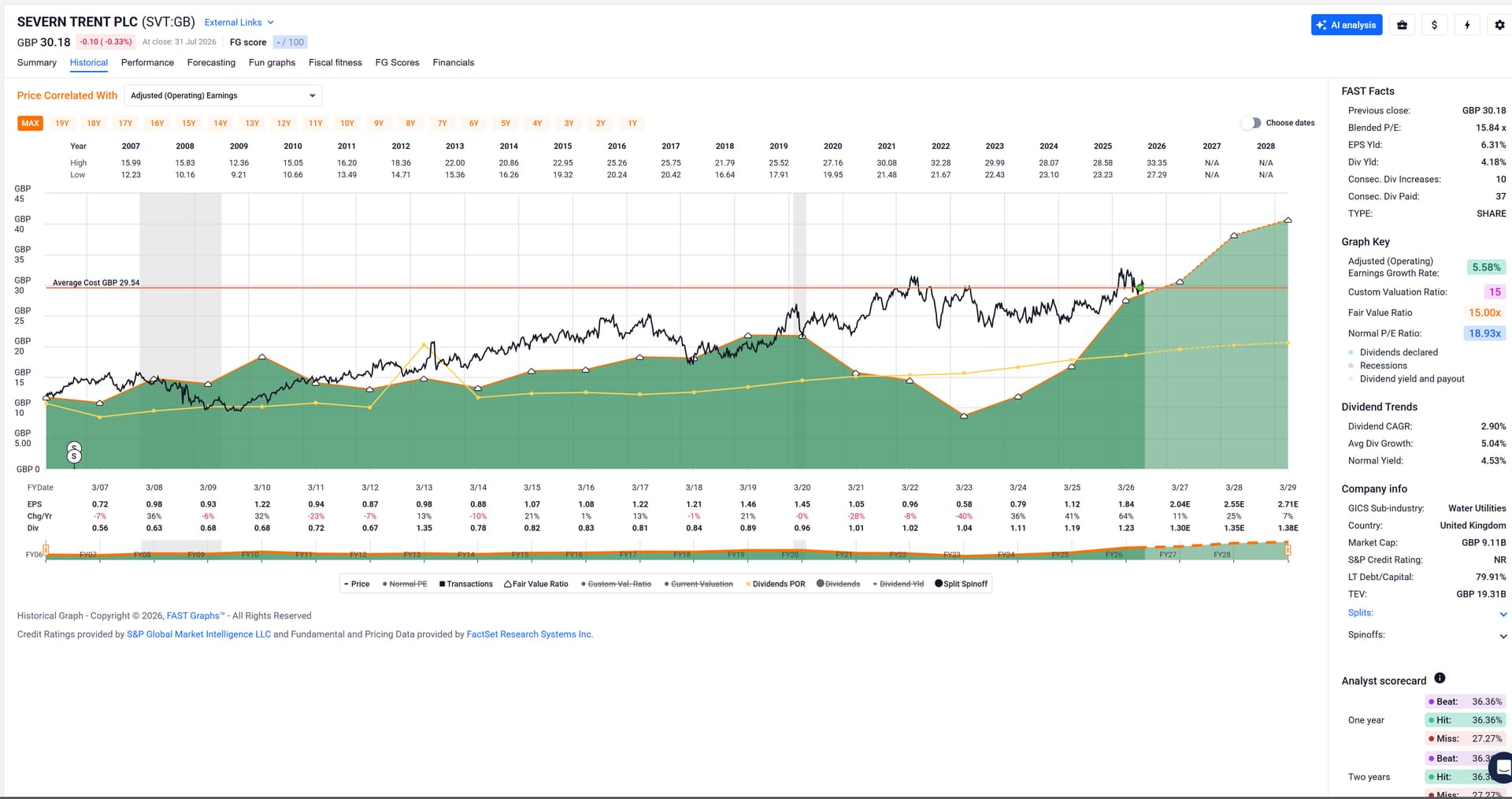
If you were willing to buy UK stocks then Severn Trent might look attractive as well. It doesn’t come with the usual margin of safety that I’d like to see, but I bought it with the viewpoint of I am exchanging some 2% yielding VXUS for some 4% yielding SVT, so looks fine to me.
Seems like there’s a larger selection of energy stocks to choose from in SCHD – and I even like a few – but I won’t carpet bomb you with more FASTgraphs (unless anyone is interested).
For a pure dividend portfolio it doesn’t sound wrong to hold high yielding ones, but as you say there’s probably some that are high yielding for a reason.
My mental simple model is aways the triangle of company growth (earnings, FCF) vs dividend yield vs dividend growth. You can often only pick one. You can pick two if you look a little harder. Picking three is the jackpot and you only get to pick three in a bear market.
Last yearly data says too expensive, EV/FCF is 48.5 my requirement is <34, at least 3% FCF from EV.
Most utilities have a payout problem, take on debt to pay dividends. I have read many explanations for this but none really got to me. It simply does not make sense in my eyes to make debt just to pay dividends.
Too bad for them. If they do their stay with me will be short. But unlike the analysts I don’t have a cristal ball. But I know that industry and I know that things there change at the blink of an eye…
For the gambling portfolio I did sell some Sanmina today after one year at a gain of 67.49%. Not bad, please continue that way. Welcome to the second year with me.
Again to Robert Half Inc.: I am waiting for the latest quarterly report in EDGAR. According to the first quarter report from May they had/will have 416 million FCF and a dividend payout of 248 millions in 2026. The last yearly report was 266 million FCF and 238 million of dividends. Looks like an improvement to me.
The analysts may know something more, I’ll let you know when I get the EDGAR report.
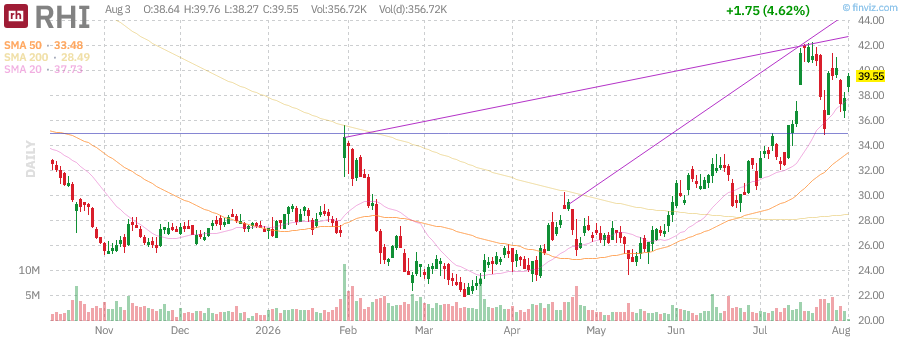
To sell a company in my dividend portfolio the stock must have been with me 6 months (OK, that is more a Kreisschreiben 36 thingy), not pass the yearly and quarterly filters and be in the worst half of momentum of all my stocks. So RHI will stay with me for another 6 months at least until the next yearly report.
The market seems to have another opinion than the analysts, almost doubled this year:
I noticed. Quite nice, even more so with the bloodbath in adjacent fields: If AI removes 80% of the jobs there’s far less to do for headhunters as well.
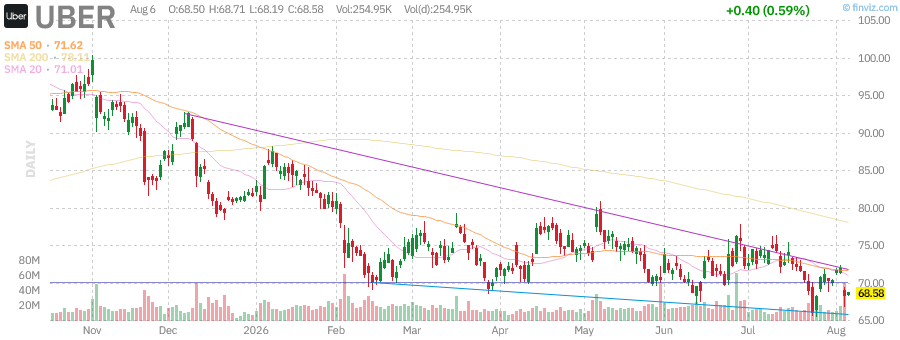
I will find out if Uber exists at all next Monday. Reserved and got assigned a driver. Last 4 times twice I had to wait and after every 10 minutes or so it asked me if I want to wait longer or just leave it. The other 2 times I was charged and then got back the money, I suppose the drivers found better work. Trying since like 3 years to do my first Uber ride.
Checking the balance sheet I think there is too much garbage that they bought up. All those “goodwill” positions will have to be written down and that hurts future earnings.
Chart looks like it may have found a bottom or just a little pause before going further down.
I don’t see any advantage, any edge, everybody can do that. It is kind of like airlines or restaurants.
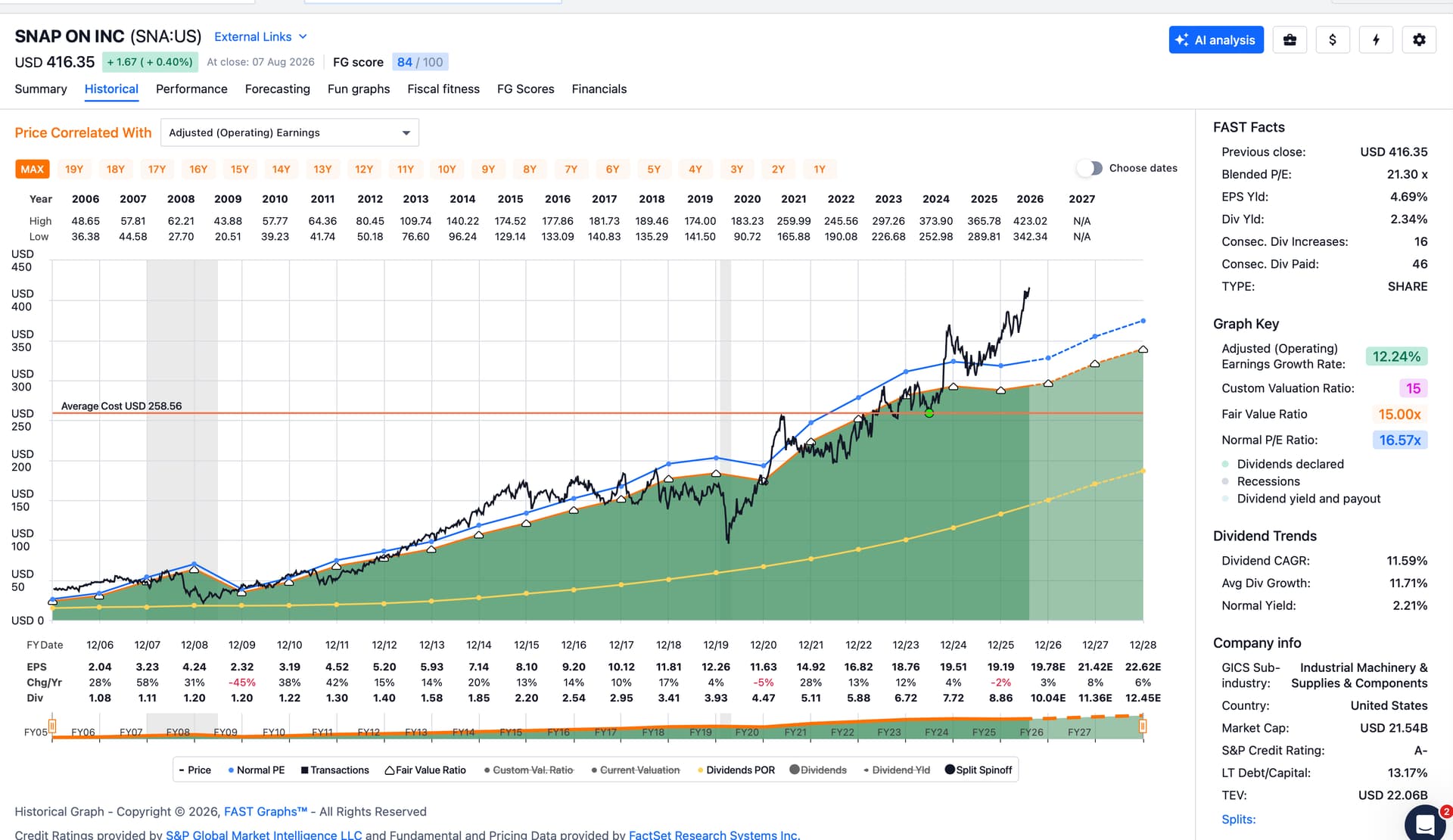
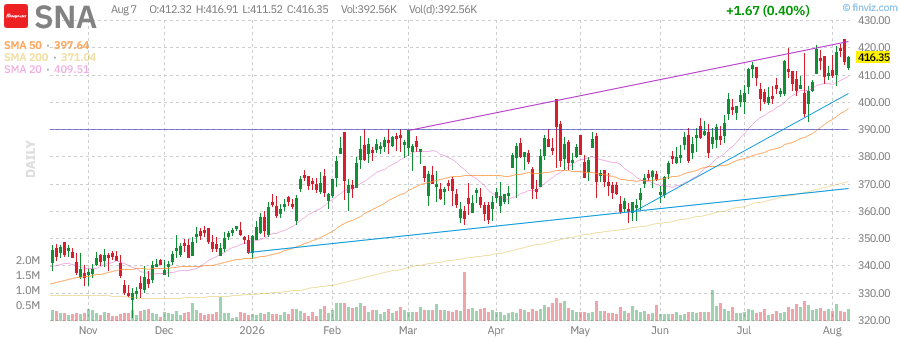
I had some time in the train today coming back from Italy and played around with my GitHub scanner and Claude AI. One of the stocks that came out was SNA, @cubanpete or @Your_Full_Name did this stock showed up once on your scanners?
Never heard of them before but my initial research besides the pure numbers looked interesting. It’s a heavy equipment company which is outside of my already almost full healthcare, finance and tech portions.
Snap On is great! I bought it into my son’s portfolio a while ago. It only didn’t make it into my own portfolio because the dividend yield was too low for me.
SNA fulfills all of my requirements for the dividend strategy. It is even a member of the U.S. Dividend 100 index. In theory I may buy some in the future, but then the dividend yield is a bit low. And the industrials sector is already a bit big, like 17% of my portfolio. When searching for new members I start in sectors of which I hold less.
They have a lot of cash laying around, no idea what they want to do with it. A coffee kitty of like 21 billion. They could rise the dividend or buy back own shares.
Nothing to do with stock trading, just to mention it: wise offers interest bearing investments in money market funds for Euros, interest is collected daily. The only caveat is a waiting period of 2 days for takeouts over 100k, I can live with that.
As I mentioned already I am always in debt, never hold more cash than I have debt, cash is trash. But then I don’t like to take out money very often, so I do it in big chunks. My debt is mainly in CHF, I get more interest from wise then I have to pay. But then the EUR is deemed to fall…
If any of you is interested in an account with a free card I can give a link. Just write me a PM.