I had that from people when I mentioned bitcoin in 2009/2010.
Then when bitcoin entered mainstream media and started to go up in value people complained and said “why didn’t you bang the drum harder?!” Note this was not a bitcoin/investment discussion but a discussion group for people discussing difficulties of getting on the housing ladder in the UK (which later drifted into a general discussion group amoung regulars).
The joke was that bitcoin price when they complained was something like $100 or $1000
FFS, are they for real? I had to blink when I heard it myself… Who do they think we are to “push them”, anyway? Bottom line is that people detest accountability in my opinion and experience. Market goes up and they missed it? “You didn’t push me hard enough”. Market goes down 3% and they panic sell? “You pushed me and I lost money”.
That’s how I learnt to keep quiet, realistically “the market” and equity investments aren’t for everyone.
I agree. Best keep your mouth shut. I don’t like to talk about such stuff in normal settings, only with geeks who are into investing or technology etc.
Yeah but you see - two members note that it happened to them, too.
Totally agree! Especially equity investing. I hate RE, feel it’s ignorant (more risky, yet the risk averse want to buy a house because it’s “tangible”), encourages feudalism, roots people into place, and overall I feel that risk taking in equities encourages better psychology for money - people need to let the money leave their hands to grow it.
The specific situation was missing potential earnings. 5 or 6 months after investing, bro was desperate to cash because he “needed” to buy a new car. Emphasis on survival level of “need”. He cashed out with 7% or so yield. I stayed one more year and it became like 50+% yield, don’t remember exactly.
I was young and dumb and mentioned the fact one year later and problems started…he didn’t like the car in the end, I should have talked up the investment and talked down the car. Somehow, it was kind of my problem.
These days, I barely survive managing money along with my wife, more than enough adventure. I don’t need to look for extra excitement of discussing among friends and family. As Phil_MCR mentioned, only talk with people that already know what they’re doing and are open and honest.
As I mentioned before, Peter Lynch did like 28% CAGR during 20 years with his fund. Even with that performance his clients managed to lose money because they bought high and sold low.
It is not the same looking at a long term chart and see that you always did recover losses and feeling those losses. Our brain is not made for that.
My way is a mechanical strategy with clearly defined actions in a bear market. But making rules is easy, the difficult part is following them.
OK, that is a low bar. There are more indices than stocks and there are even more ETF that follow those indices. But guess what, picking is not the most important part. Money- and position management is.
Buy and hold one ETF is a sufficiently good strategy, but if you have more than one ETF and want to gain from Shannon’s demon you need some kind of strategy.
The most important of any strategy: define what to do when losing. Strong rules that you (or your friend) know you can follow. Don’t buy high and sell low.
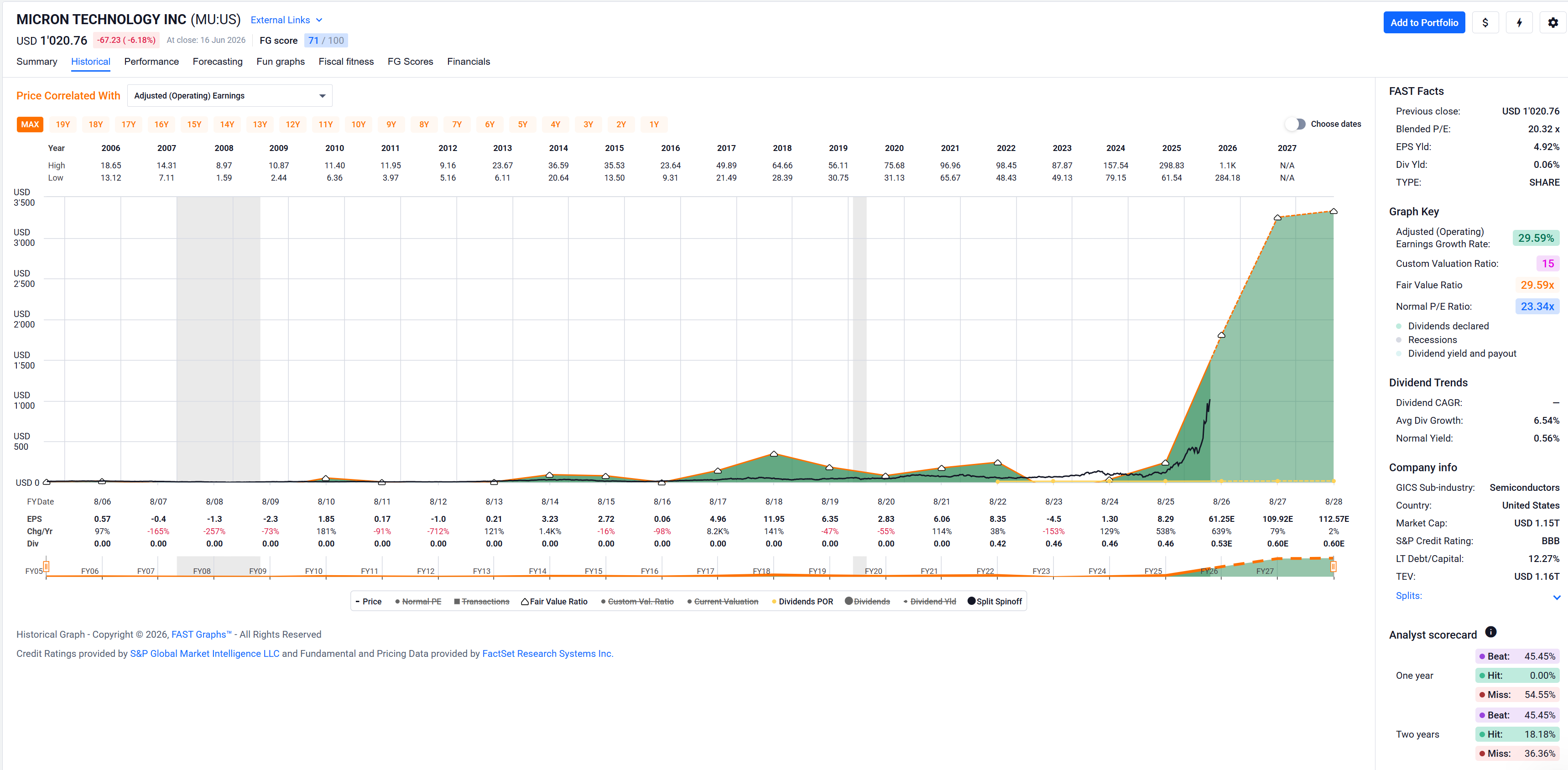
In the vein of silly posts: I bought some Micron into my son’s portfolio about 4 years ago. Paid $68 a piece. My son was even protesting at the time because they have some of their production in Taiwan … which is close to … CHY-NA!
I know it’s not ideal. But it’s simple and understandable for a beginner (i.e. 90% of the population of Switzerland). What’s your suggestion for success?
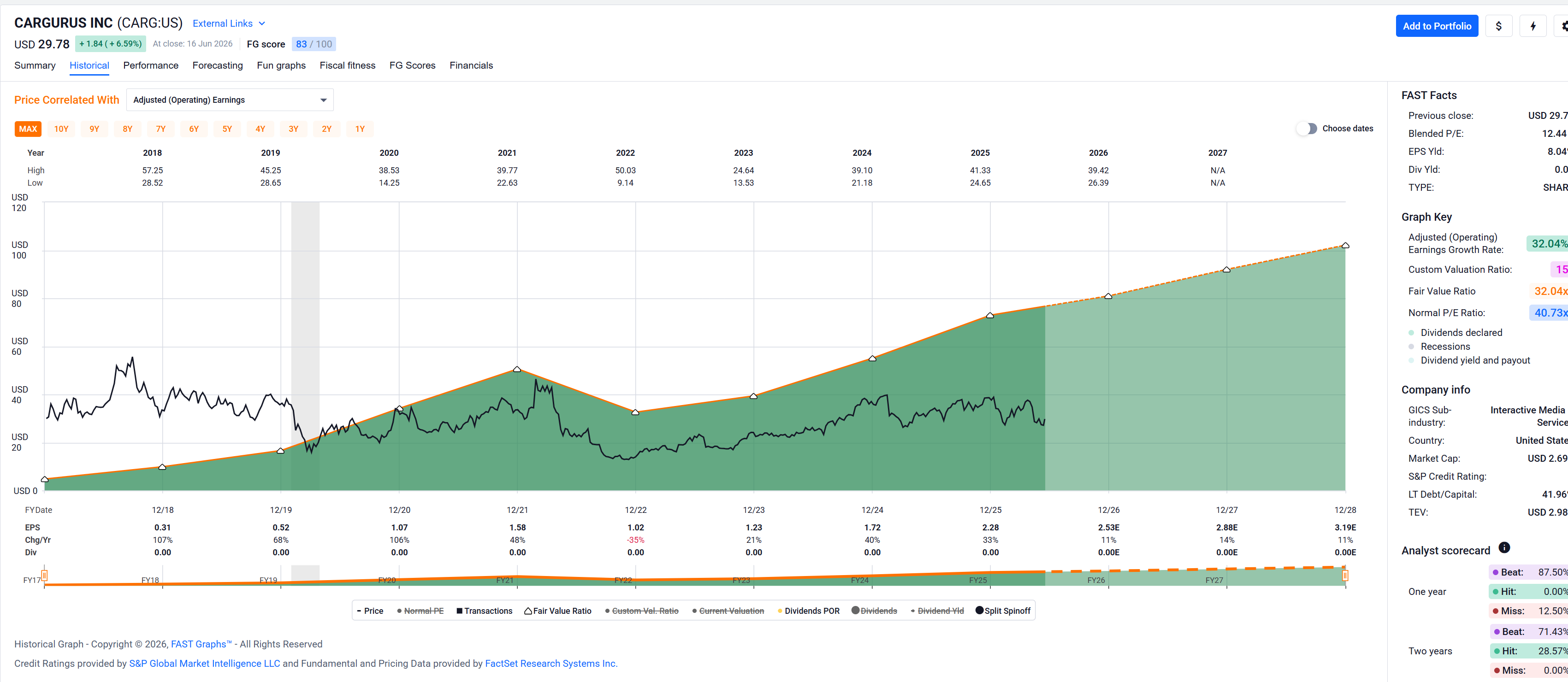
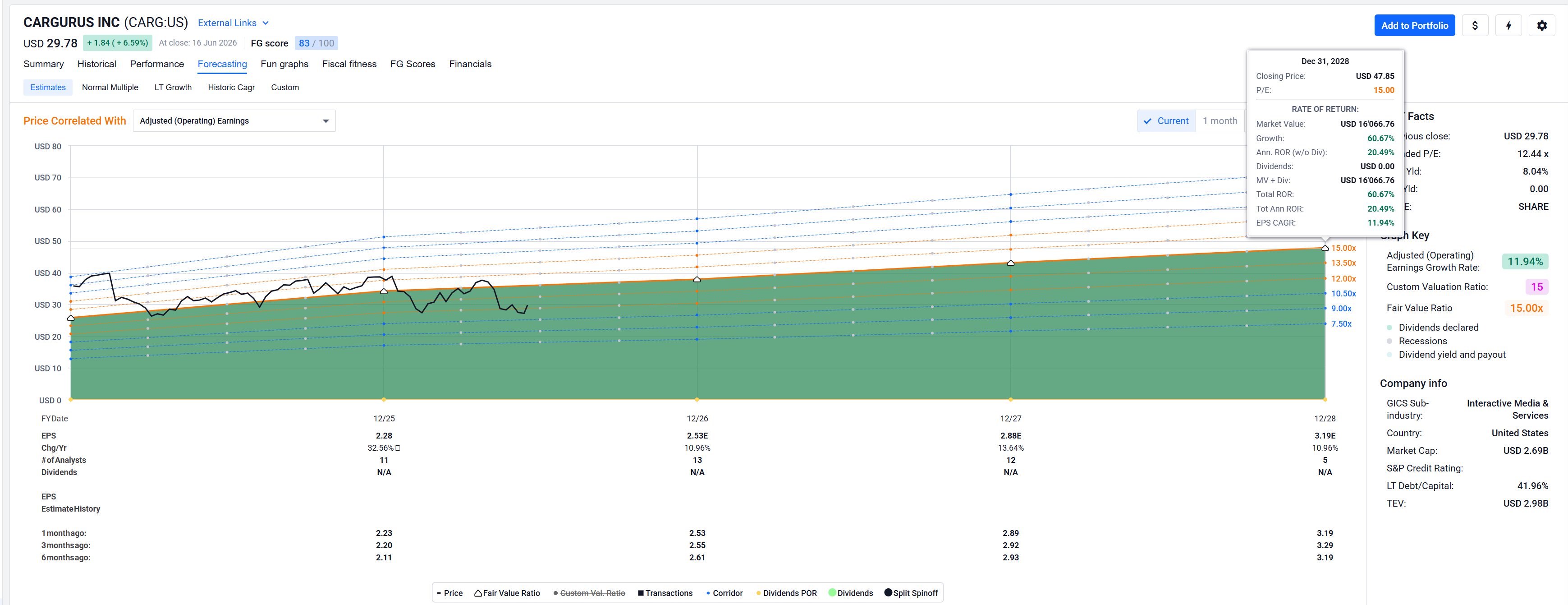
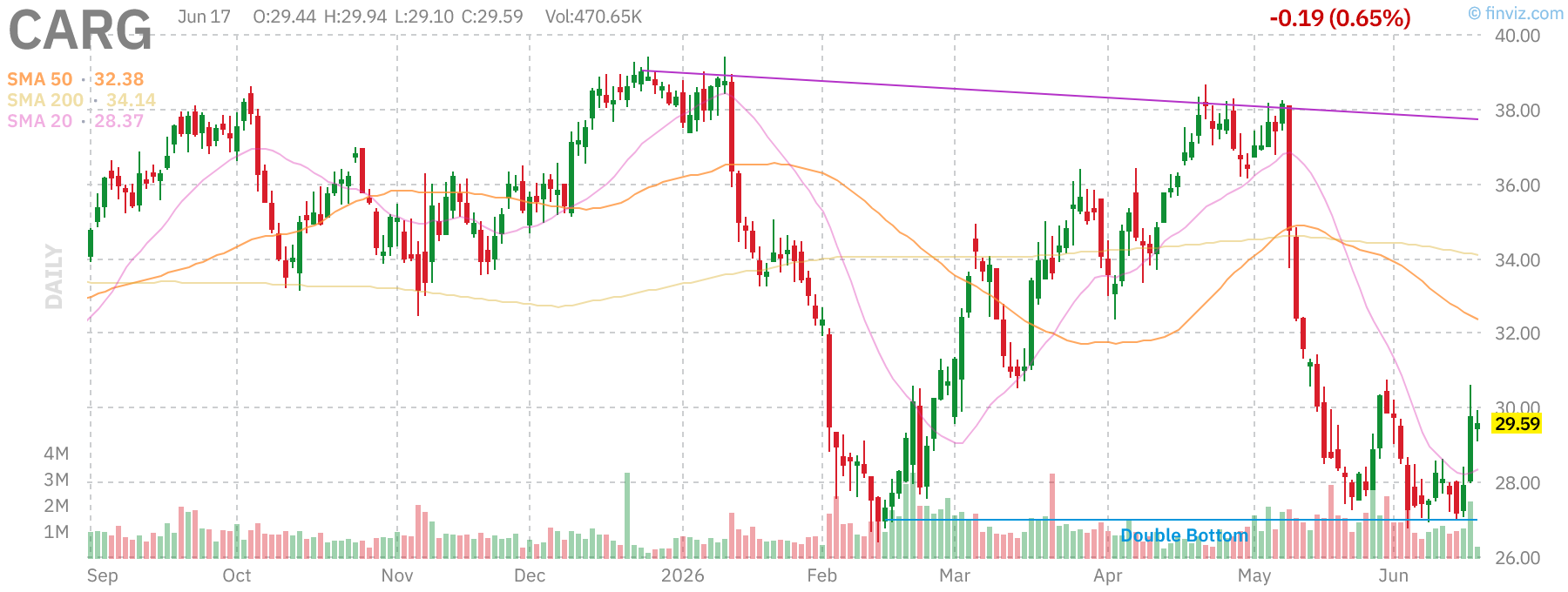
I don’t see the advantage. It is an easy kind of business, company is not cheap, earnings are not growing and the chart shows weakness. Where is the edge on that trade?