Well, the worst appears to be over. But temperatures have been dropping since noon, winter on its way.
There’s been a fair bit of damage everywhere. Reminds me of living on the east coast of Scotland in autumn/winter 
The winds left fallen trees, plenty of leaves…but anyone considered falling rocks? 
Rock got bored of quietness and took a stroll in Baden (AG).

4 Likes
Well, at least the sun has come out today after days of mostly rain and wind.
And back to wind and rain again today.
Once again, 60kmh wind. Autumn got cancelled this year, no more yellow leaves on the trees.
You spoke too soon @Axa. Monday coming across CH, it was pelting and cold. Yesterday coming back from Alsace, the sun shone golden on the green green hills of AG and the snow-covered peaks of the Säntis. Today we’ll have 9 hours of sun and 19 degrees up here in the snow.
1 Like
While it might be nice where Slammer is
Here, after a couple of lovely sunny days, we’re in fog territory now.
1 Like
We drove by Lake Constance this morning at 9ish. It was 5C, nasty damp, and permanent low fog. Standing in a cold boggy field were about 20 storks! Back up to the sunshine–these past 3 days we’ve been roasting in shorts during the day but just above freezing at night.
1 Like
Sun’s finally come out, but took until nearly noon to do so.
Fog season is here. Article about fog in the NZZ today (open article).
The surprise, number of days with fog in downwards trend.
Since the 1970s, fewer and fewer days of fog have been observed. Data from Meteo Schweiz shows that the average number of fog and high fog days has decreased not only in autumn, but throughout the fog period from September to March, namely in all regions. In the eastern Mittelland, Central Switzerland, the western Mittelland and the Lake Geneva region, the meteorologists have evaluated two measuring stations each, one deep and one high.
The trend is fluctuating, but it is pointing downwards everywhere – with the exception of the last half-year of winter. In 2024/25, there were fogs in Switzerland they The reason was long periods of high-pressure weather, which were about three times more common than the long-term average.
According to experts, the steady decrease in the frequency of fog in the decades before is also mainly due to the prevailing weather conditions. The conditions for fog to form (high pressure, weak western inflow, cold air accumulation in the Mittelland basin, enough humidity) were increasingly rare. A role could also be played by the drying out of the soils and thus also of the ground-level air by superstructure.
Less days with fog, WHY???
According to experts, the steady decrease in the frequency of fog in the decades before is also mainly due to the prevailing weather conditions. The conditions for fog to form (high pressure, weak western inflow, cold air accumulation in the Mittelland basin, enough humidity) were increasingly rare. A role could also be played by the drying out of the soils and thus also of the ground-level air by superstructure.
What makes the conditions for fog even more difficult is the improvement of air quality in Switzerland. Because particles of pollutants can serve as condensation nuclei, where water vapor is deposited and more easily condensed. Fine dust and sulphur dioxide thus promote the formation of fog. But pollution is steadily decreasing in Switzerland.
In view of the efforts to reduce emissions, the improvement in air quality is likely to continue. However, the prevailing weather conditions that prevent or promote the formation of fog are not possible. There are big fluctuations here. And no one can predict whether the decline in the frequency of fog will continue or there will be a trend reversal, as the past winter half-year has indicated.
2 Likes
When I first arrived here, it was grey from October to April; now we have many sunny days.
It was really depressing then; I had to run out on weekends and go to the mountains for some blue sky.
1 Like
Too late! Already had several days of mist/fog here. Nice and sunny today though.
There will still be fog because there are natural weather conditions than drive its formation. But, lower dust (PM) and sulphur dioxide emissions, may explain the lower number of days with fog.
It is interesting to realize that lower industrial emissions, cleaner cars, the switch from heating oil to other sources for heating buildings…all these may be contributing to less fog.
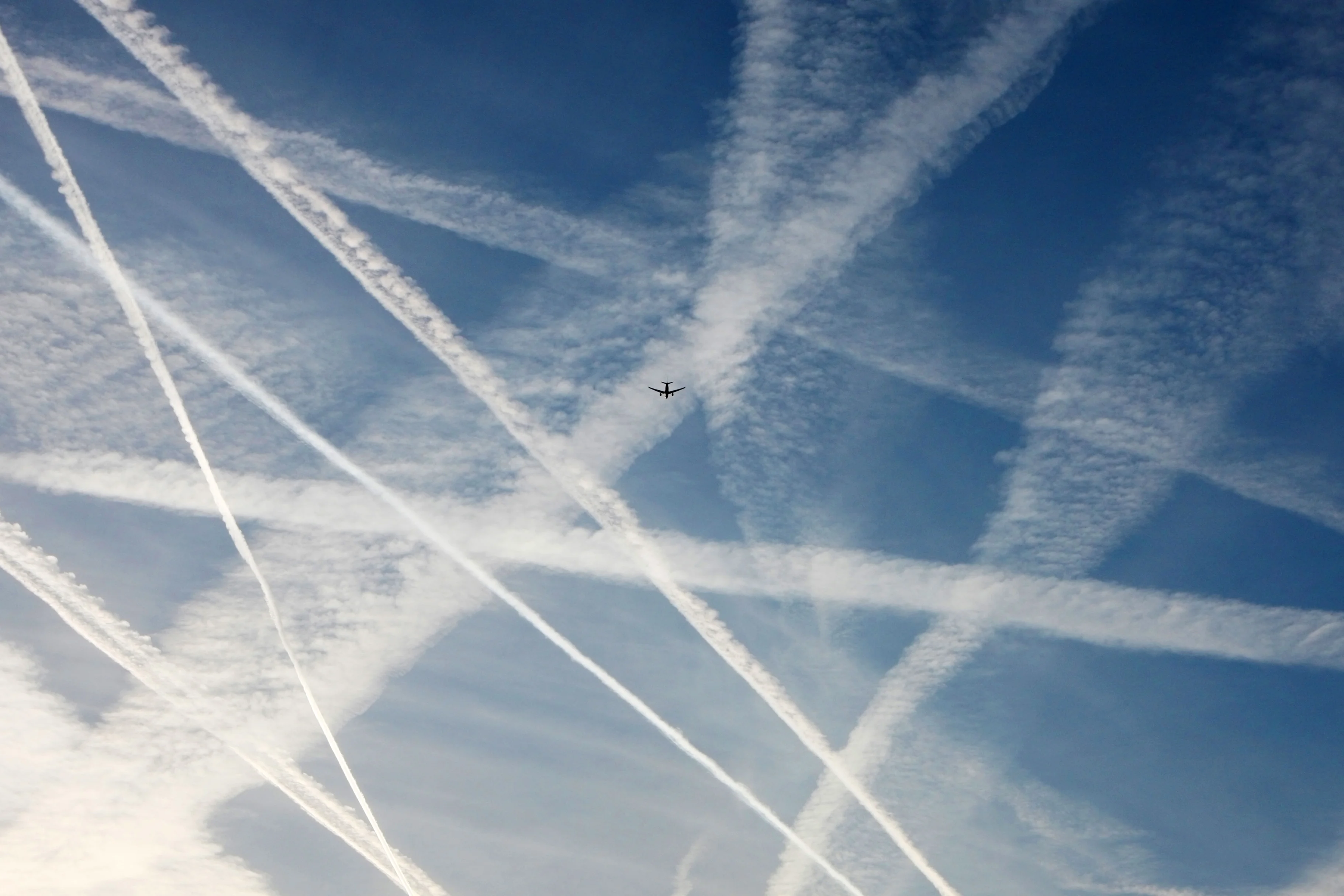
The other reason there is less fog, although indirectly mentioned in the NZZ article, is the global climate change and the fact that Switzerland is basically drying out. So much so that starting this year the Feds have started drought monitoring.
1 Like
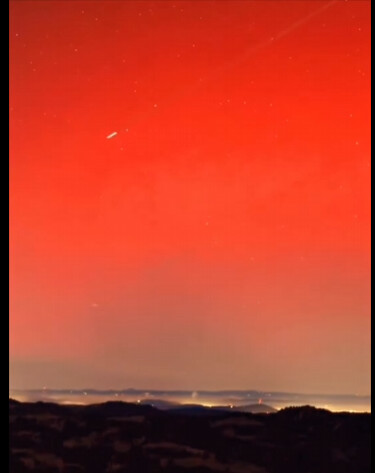
Not Swiss weather but space weather.
With a bit of chance, Aurora Borealis later tonight.
Hope better luck that with the last lunar eclipse. We were devoured by mosquitoes and only saw clouds on the horizon 
1 Like
Its all one big hoax.
Wouldn’t be surprised to see 21C today! It all falls apart on Monday, and by next Friday they predict snow.